
The Royal Entomological Society (RES) is delighted to announce that we have successfully received funding from The National Archives’ Archives Revealed programme, alongside a number of other leading heritage and research organisations across the UK, including Committee on the Administration of Justice, Essex Wildlife Trust, Feminist Archive (South), We the Curious, British Institute for Libyan and Northern African Studies (BILNAS), and The Society for the Protection of Ancient Buildings (SPAB), to name just a few.
This important award marks a major milestone in the Society’s plans to preserve, understand and share some of the most significant archival collections in the global history of insect science.
Founded in 1833, the Royal Entomological Society is a leading learned society dedicated to advancing insect science worldwide. At the heart of the Society sits its Library and Archive, which together hold a world-class collection charting over four centuries of entomological research, with materials dating back to 1609.
The collection is one of the largest and most comprehensive of its kind anywhere in the world, encompassing rare books, scientific publications, photographs, correspondence and field records from the pioneers who shaped the discipline of entomology.
While much of the RES collection is already in good to excellent condition, a number of highly significant 20th-century collections remain uncatalogued, unrestored or inaccessible. The National Archives scoping grant will enable the Society to take the crucial first step in assessing, preserving and unlocking these materials for researchers, practitioners and public audiences alike.
Key collections to be explored through the scoping project include:
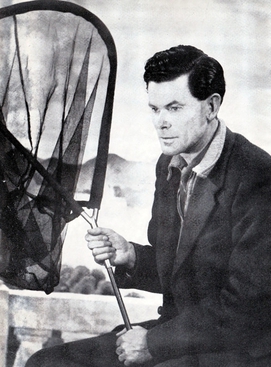 Leonard Hugh Newman. Photo (c) Wiki – Original publication Butterfly Farmer, Country Book Club 1954
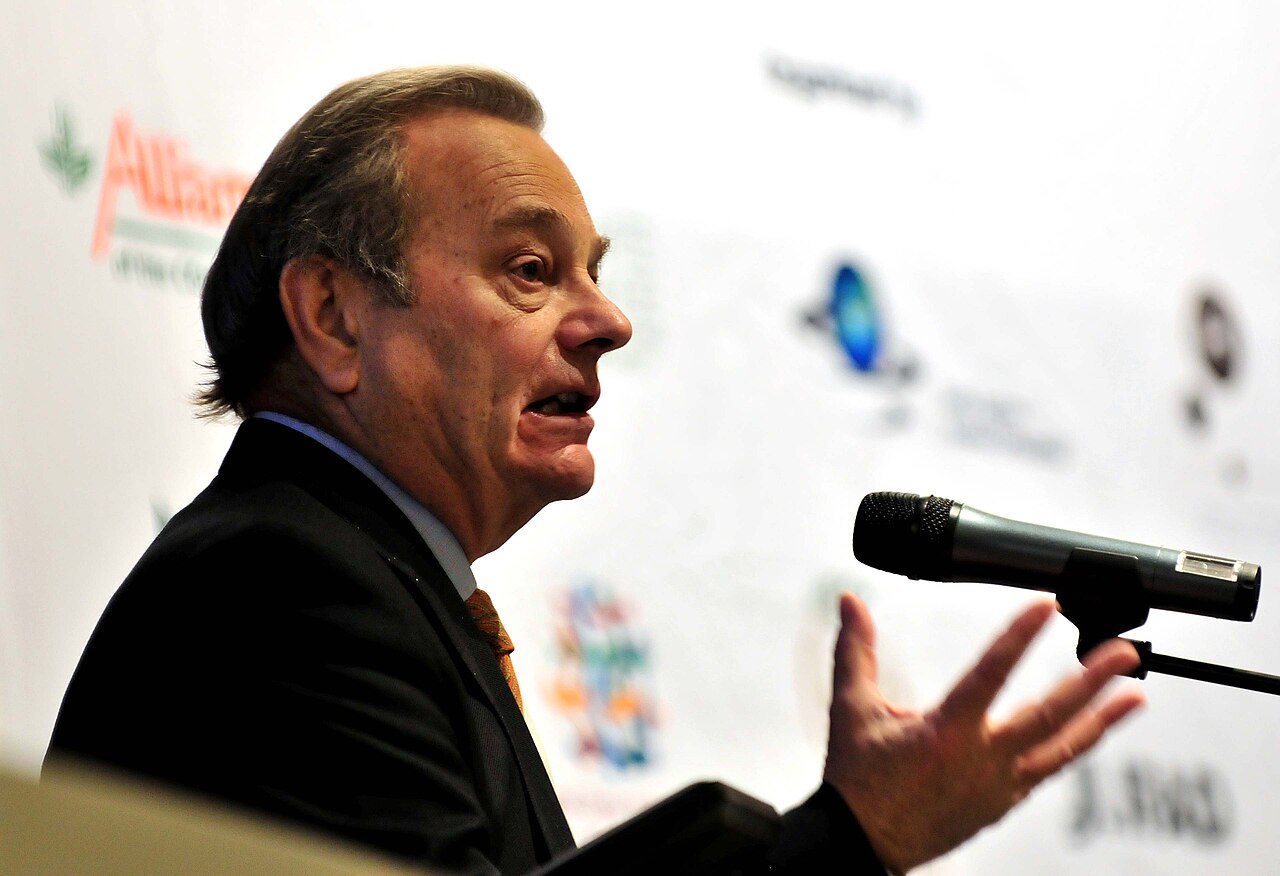 Prof. Gordon Conway. Photo (c) Neil Palmer (CIAT) Wiki
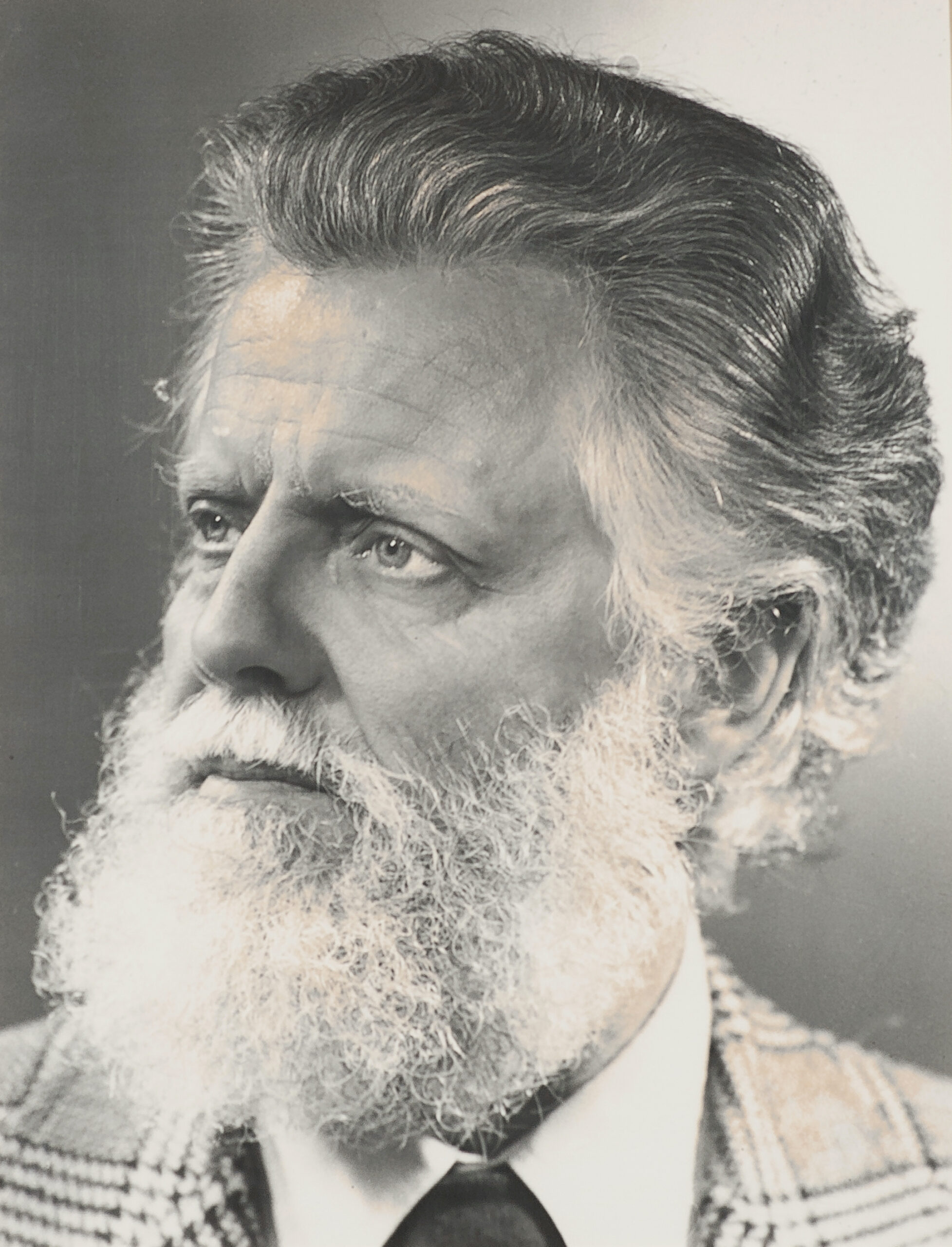 Philip Steven Corbet FRSA, Director of Joint Centre for Environmental Sciences 1972-1977
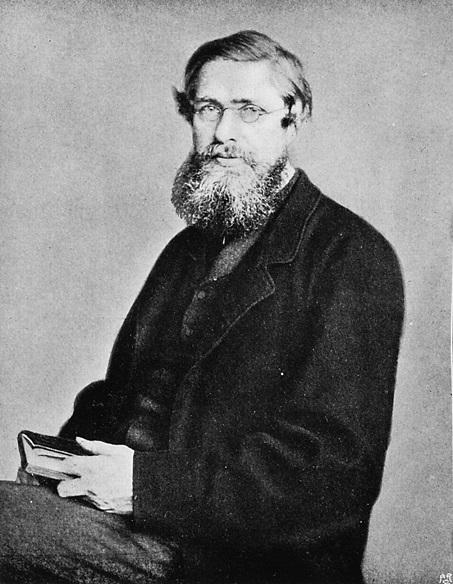 Alfred Russel Wallace OM FRS – President of the Society (1870-71)
- Photographic records of British entomologist and BBC broadcaster Leonard Hugh Newman, documenting insect life and scientific practice in the early 1900s
- Research notes and records of Sir Gordon Richard Conway, a renowned entomologist and global leader in sustainable agriculture whose work in Borneo in the 1960s remains highly influential
- A substantial photographic archive of 20th-century entomologist Philip S. Corbet FRSE, still regarded as one of the world’s leading authorities on dragonflies and damselflies
- Records, correspondence and materials from Project Wallace, a groundbreaking entomological expedition to Indonesia in the 1980s that combined species discovery with teaching, collaboration and knowledge exchange with Indonesian scientists
These collections are currently difficult or impossible to access due to their condition and lack of cataloguing. Through this scoping grant, the RES will work with an expert to better understand their significance, conservation needs and future potential for research, public engagement, exhibitions and digital access.
The collections also serve as vital historical witnesses to how insect science has evolved over the last century. Beyond their scientific value, they offer important social history insights, including changing research practices, ethics and relationships between UK researchers and partners in the Global South. Making these materials accessible will help contextualise scientific discovery within its wider cultural and historical setting.
Alfred Russel Wallace OM FRS – President of the Society (1870-71)
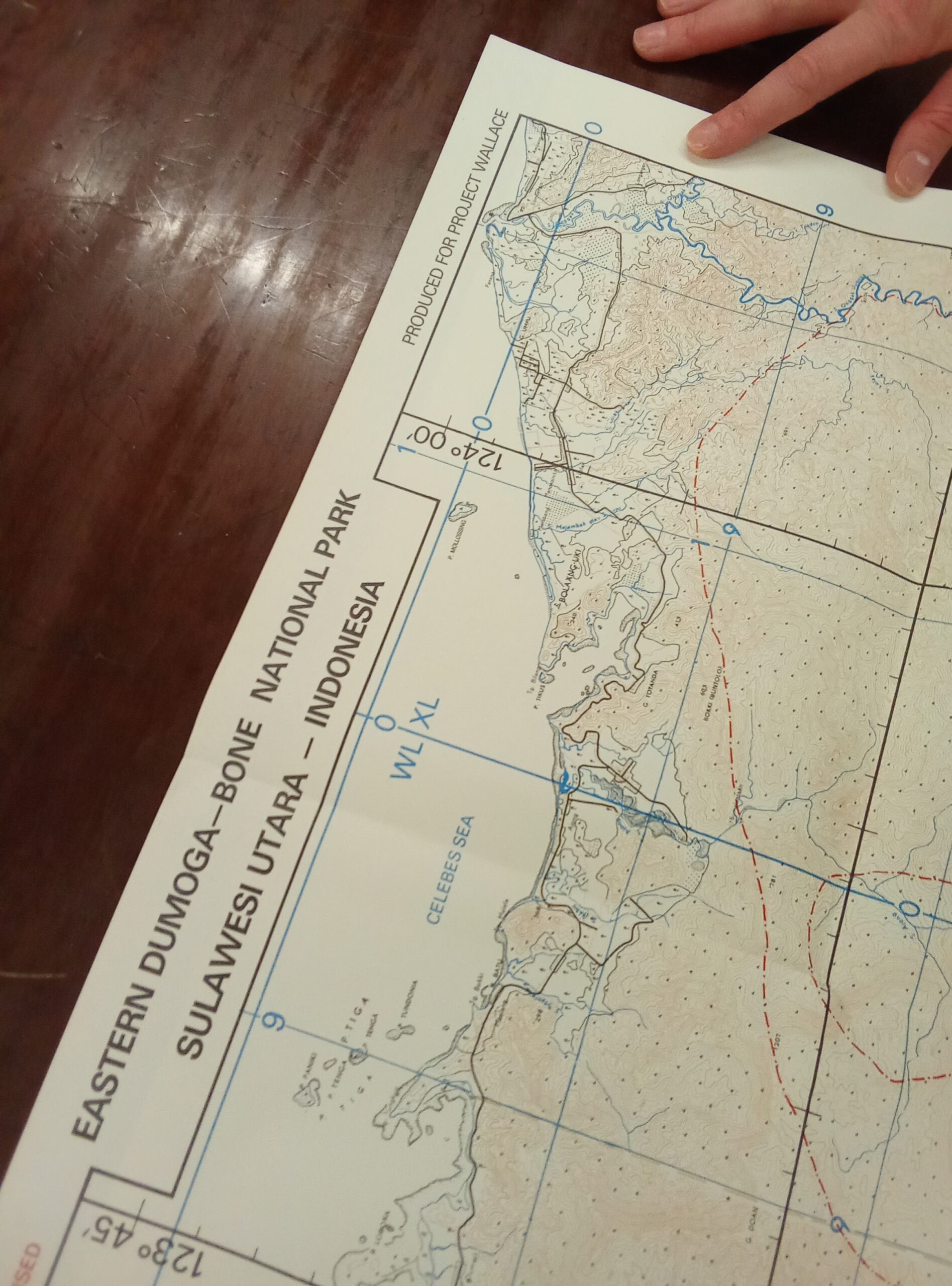 Map of Eastern Dumoga-Bone National Park, Sulawesti Utara – Indonesia – Produced for Project Wallace
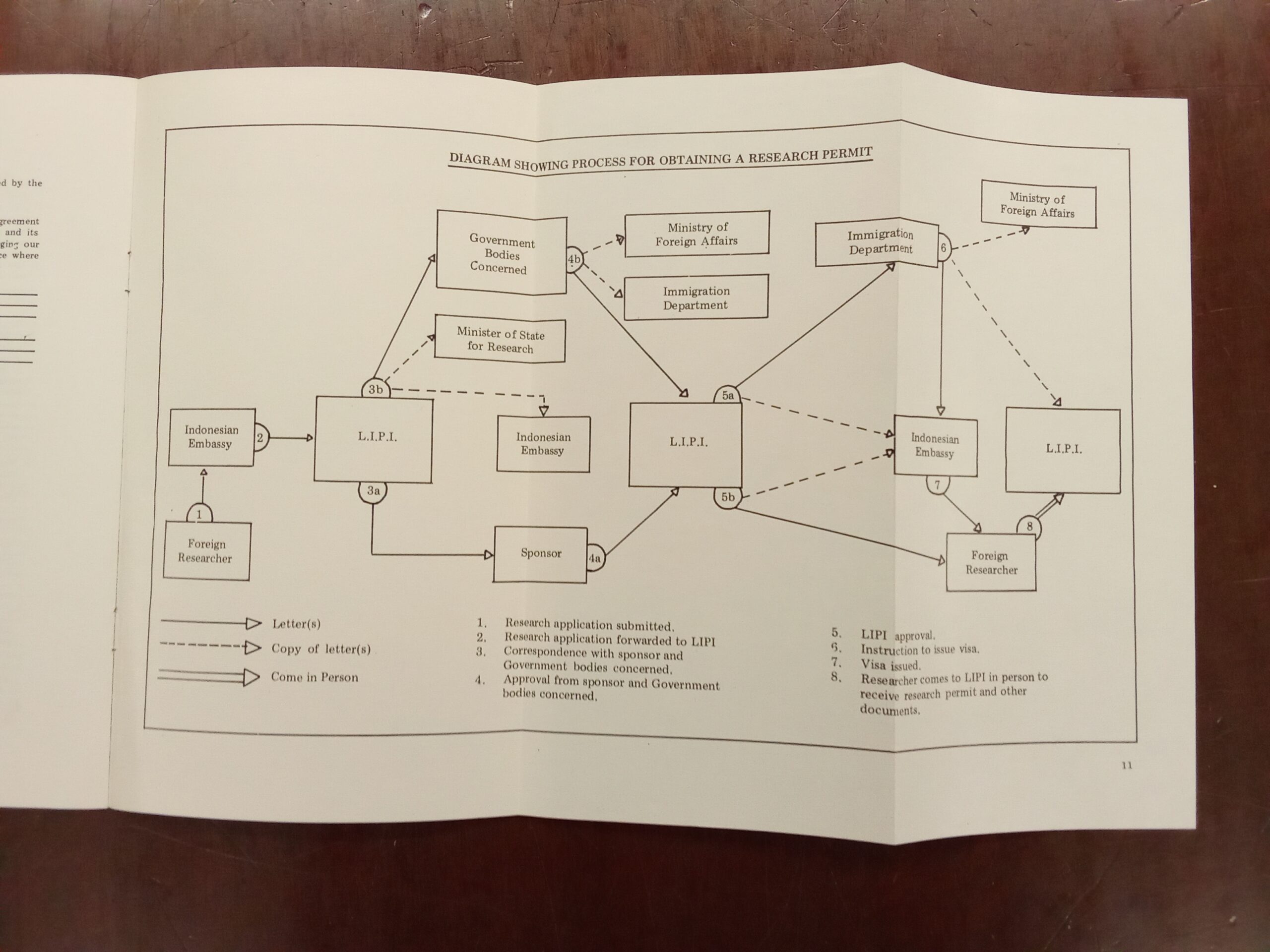 Diagram showing process for obtaining a research permit as a foreign researcher to the Indonesian Embassy
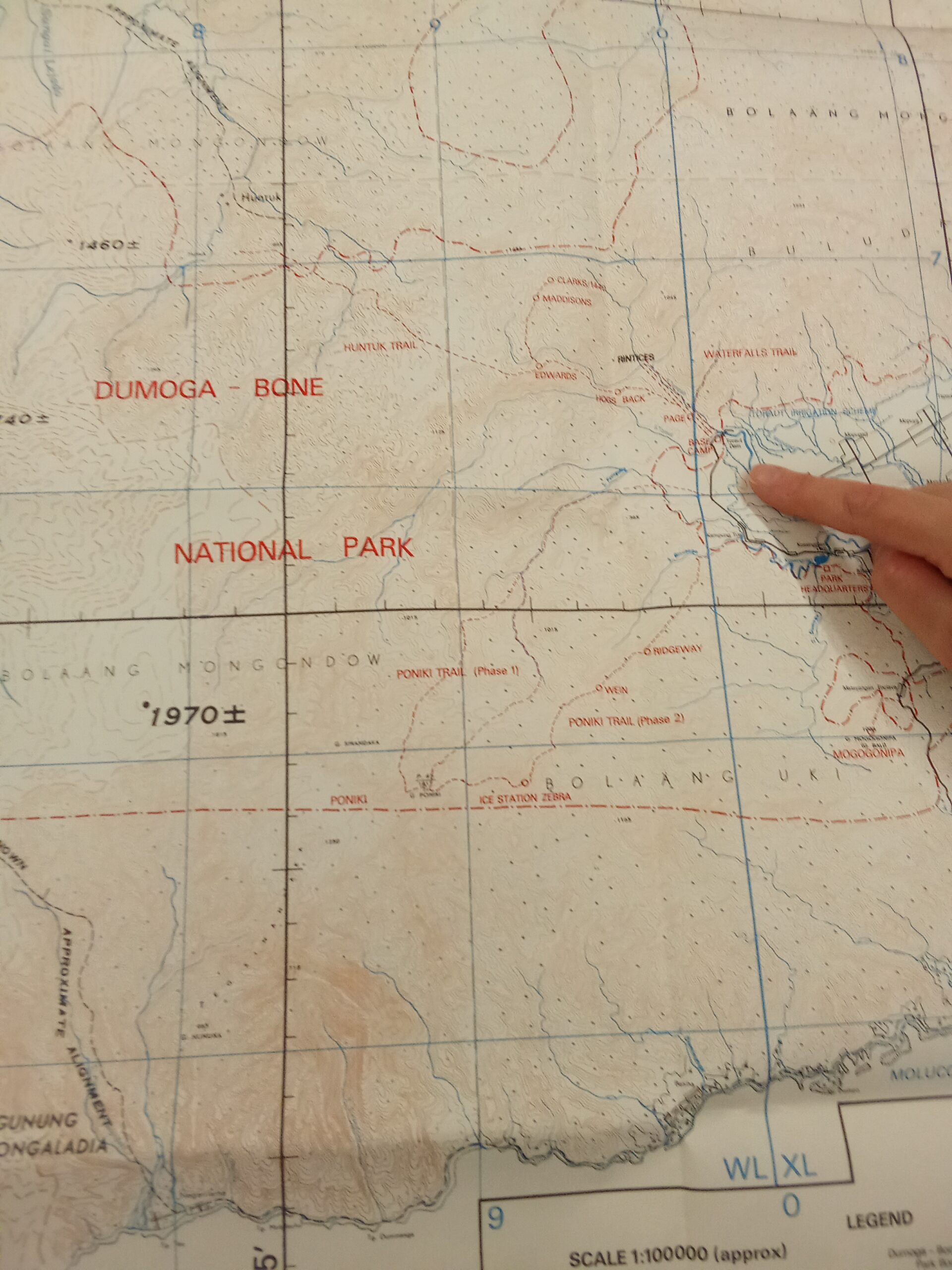 A hand pointing on a map of Indonesia relating to Project Wallace
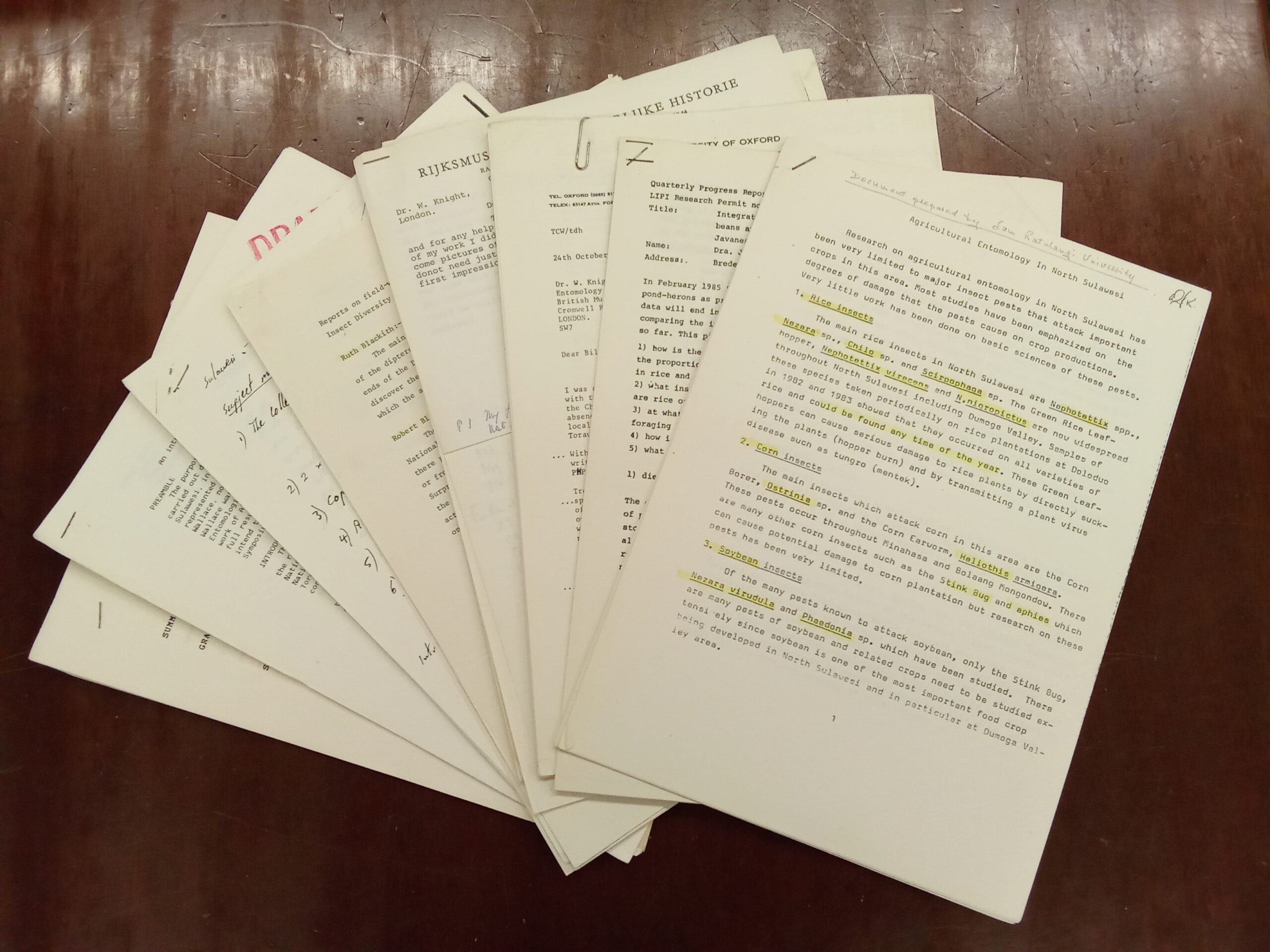 Agricultural Entomology in North Sulawesi, documents relating to Project Wallace
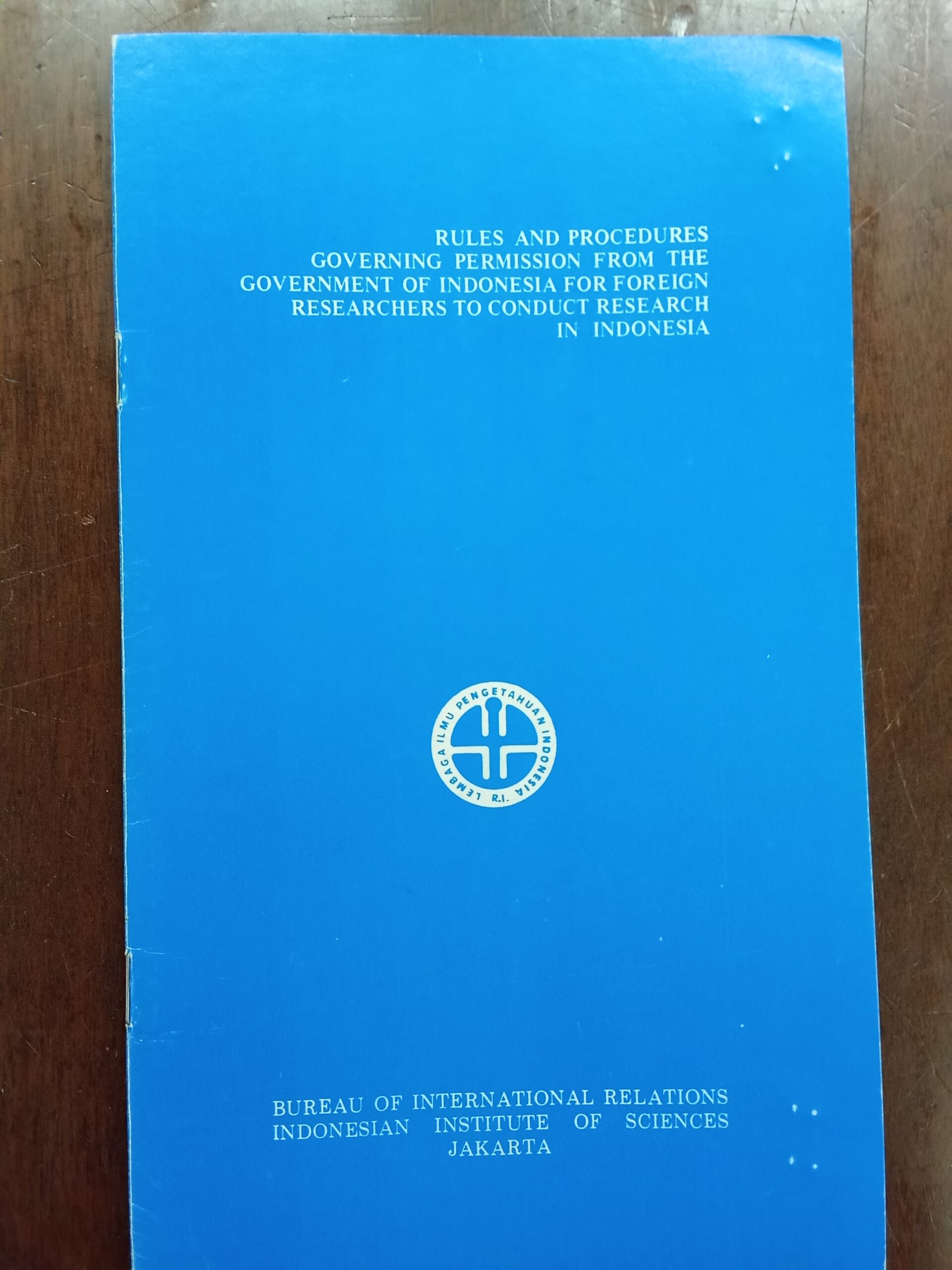 Rules and procedures governing permission from the Government of Indonesia for foreign researchers to conduct research in Indonesia – Bureau of International Relations, Indonesian Institute of Sciences, Jakarta
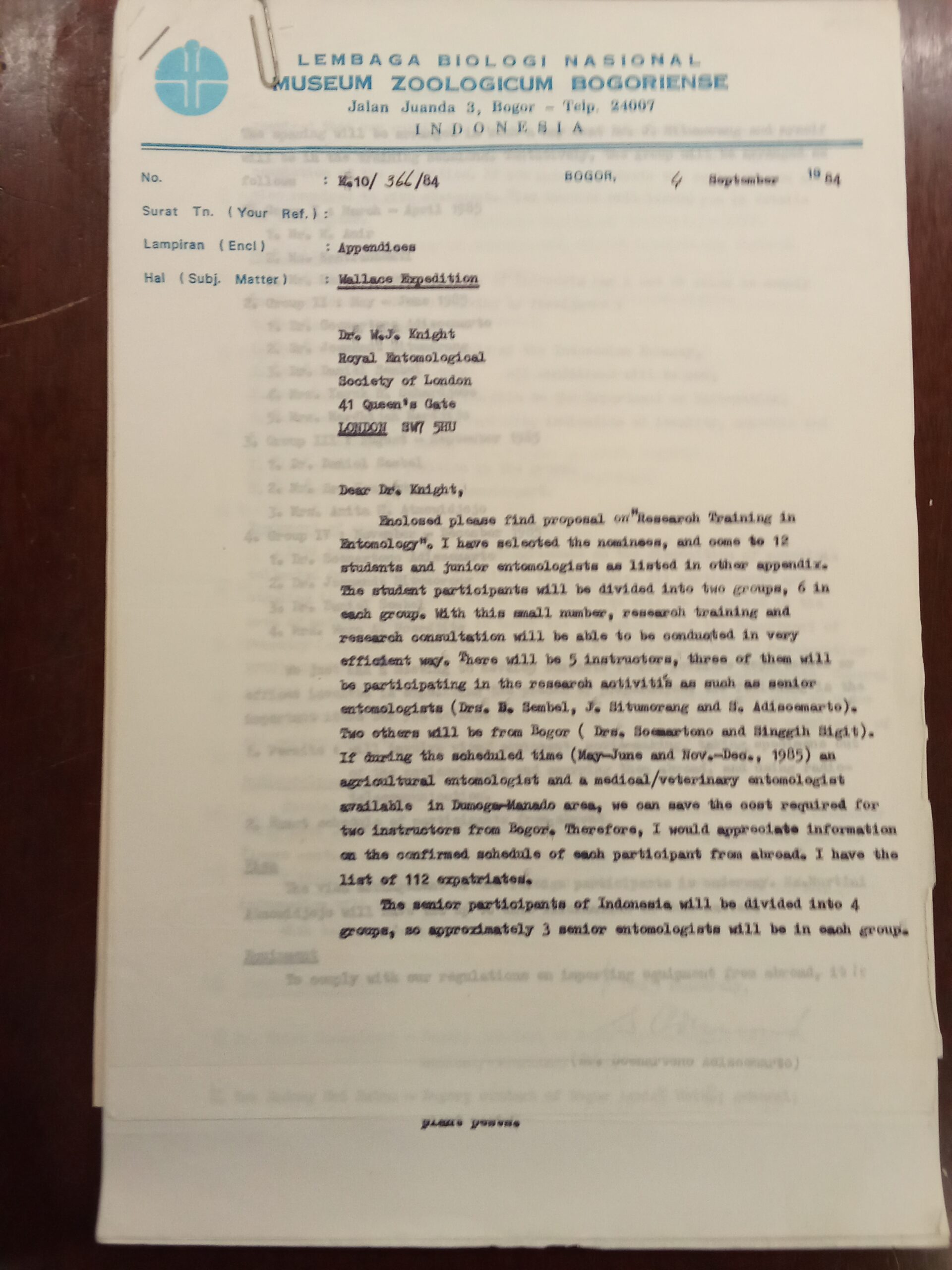 Lembaga Biologi Nasional – Museum Zoologicum Bogoriense, Jalan Juanda 3, Bogor – Telp, Indonesia – Wallace Expedition proposal on research training in entomology acceptance letter
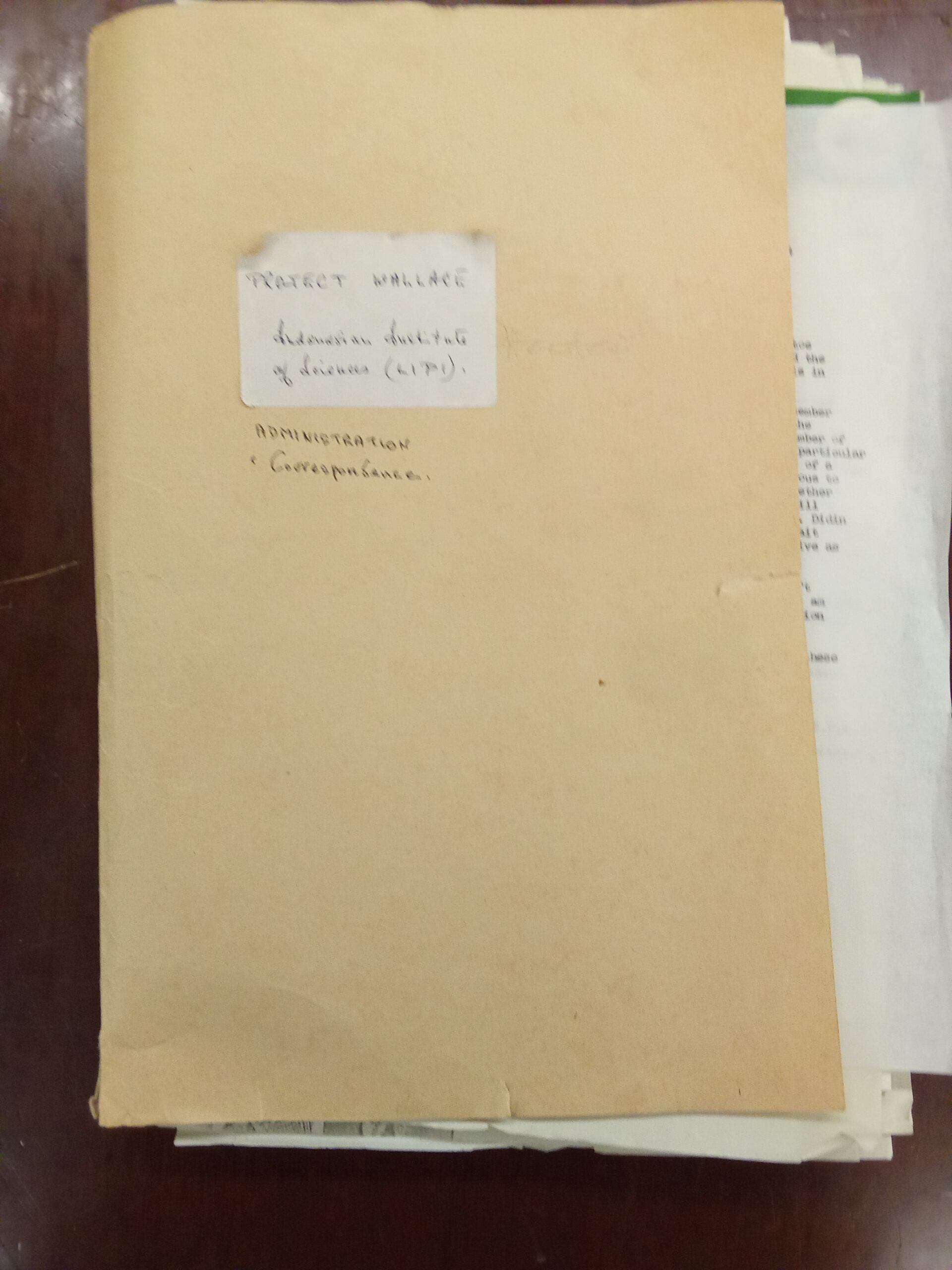 Project Wallace administration correspondence folder
The Project Wallace archive is of particular significance.
Undertaken to mark the Society’s 150th anniversary, the expedition brought together eminent insect scientists who worked closely with local communities and researchers in Indonesia, discovering new species and fostering international collaboration.
Many of those involved are still alive today, offering a rare opportunity to enrich the archive with first-hand testimonies and human stories of scientific exploration.
“We are excited to be taking the first steps to showcase these unique pieces of 20th century entomological history to a wide audience.
The collections contain valuable scientific data and are important witnesses to the way insect science has been practiced historically.”
– Rose Pearson, RES Librarian and Archivist
The scoping grant comes at a pivotal moment for the Society.
As the RES approaches its 200th anniversary in 2033, it is developing ambitious plans for public exhibitions, lectures and media engagement celebrating two centuries of insect science. The Society has also recently acquired new premises in central London, with state-of-the-art temperature and humidity-controlled storage for rare books, dedicated exhibition space, and improved facilities for researchers and visitors. A central aim of this move is to make the RES Library and Archive more accessible than ever before.
The project directly supports the Society’s 2025–2028 strategy, which commits to “growing the use and engagement of the RES Library and Archive to maximise benefit to the community.”
The scoping report will guide future restoration, cataloguing and digitisation work, underpin future funding applications, and help identify new partners to increase the reach and impact of the collections.
In the short term, the scoping report will provide a clear understanding of their value and potential uses.
In the medium and long term, it will enable the RES to open these collections to scientists, students, educators, enthusiasts and the wider public, both in the UK and globally.
Image: Minutes book of the Butterfly Protection Committee of the Entomological Society of London, also known as the Committee for the Protection of British Lepidoptera 1925-1947
Through this National Archives grant, the Royal Entomological Society is taking a vital first step in safeguarding irreplaceable records of insect science, ensuring they can inform future research, inspire public curiosity, and preserve the stories of discovery that have shaped our understanding of the natural world.
