
Student Forum 2026
30 March @ 09:00 – 31 March @ 17:00
Student Forum 2026
Monday 30 – Tuesday 31 March, 10:00 – 17:00
Newcastle University (The Stephenson Building)
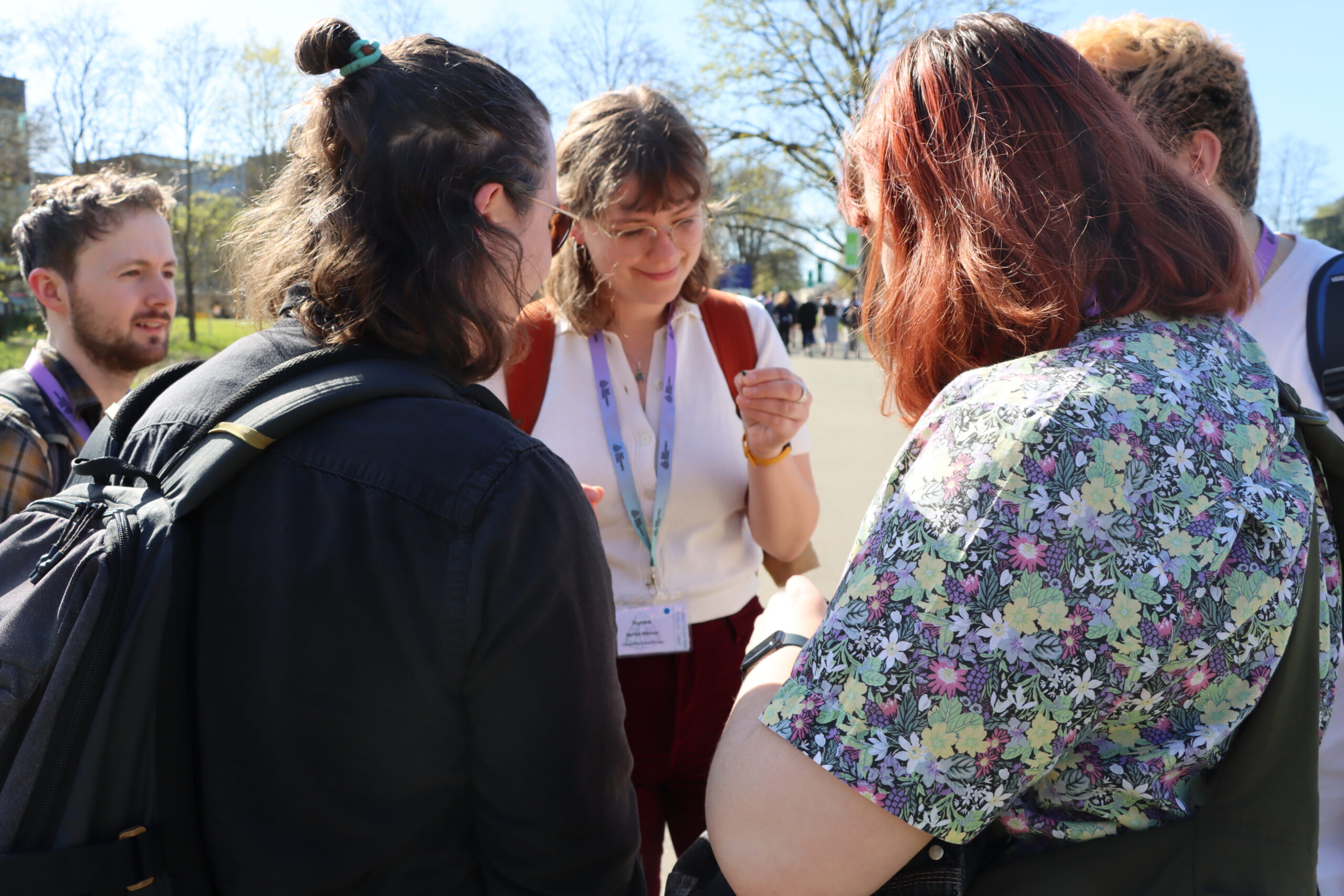
We are delighted to announce details for our 2026 Student Forum!
This annual two-day event run by the Royal Entomological Society’s student representatives is aimed at undergraduate and postgraduate students studying insects.
It provides an opportunity to network and discuss ideas with other students, consider options for your future careers in entomology, and share your research in a welcoming space.
The programme includes talks and careers advice from invited insect scientists and interactive workshops to help develop skills to help further your careers.
The 2026 event will be run in-person at Newcastle University. Plenary talks will be recorded for members to view after the event, but will not be live-streamed.
EntoFashion Day – Meet science with style!
It wouldn’t be a Student Forum without #EntoFashion Day!
From pin badges and scarves to antennae and mandibles, whether subtle or spectacular, wear your insect inspiration proudly and show off your best insect-themed outfits in Newcastle – creativity encouraged, glitter optional ✨
There’ll be a prize for the best look, so dress to impress!
Call for Abstracts
We are looking for in-person talk and poster submissions. All presenters must register as a delegate to attend in-person.
Extended: Abstract Deadline: 17:00 (GMT), Sunday 8 March
Invited Speakers
Angharad Gatehouse, Professor Emerita of Invertebrate Molecular Biology, Newcastle University
Biotechnology for Crop Protection: A personal Journey

Professor Angharad Gatehouse was the Chair of Invertebrate Molecular Biology at Newcastle University and following her retirement (Aug 2025) the title of Professor Emerita was conferred upon her. Her research focuses on the molecular and biochemical bases of plant-pest interactions with a view to developing novel strategies for crop protection.
Her group was one of the first to produce insect-resistant transgenic crops. The group are currently developing novel biopesticides, including those based on RNAi. In addition to their efficacy, they are also involved in the biosafety of these strategies, notably in terms of their potential effects on beneficial insects such as pollinators and natural enemies. The group also studies the molecular responses of crops to abiotic/biotic stress for the development of molecular markers.
She has published extensively in the field, including in discovery journals (Nature, PNAS) and is named inventor on several patents. She was ranked 3rd in the world ratings for citations on work on GM crops and awarded an Honorary Doctorate for contributions to Biotechnology (Banat’s University of Agricultural Science and Veterinary Medicine). In 2015 she was elected an Honorary Member of the National Italian Academy of Entomology and in 2016 she awarded the ‘Certificate of Distinction in Recognition of Outstanding Achievements in Entomology’, by the Council of the International Congress of Entomology (ICE). Currently she is Chair of External Scientific Advisory Board of Agrotecnio (Centre of Excellence for Agrifood sciences, Spain) and a member of the International Advisory Board for The Agritech Foundation (Italy). She serves as Secretary General and Treasurer to Council of ICE.
Charlie Outhwaite, Research Fellow at The Institute of Zoology
GLiTRS – combining evidence types to understand global pressures on insect biodiversity.
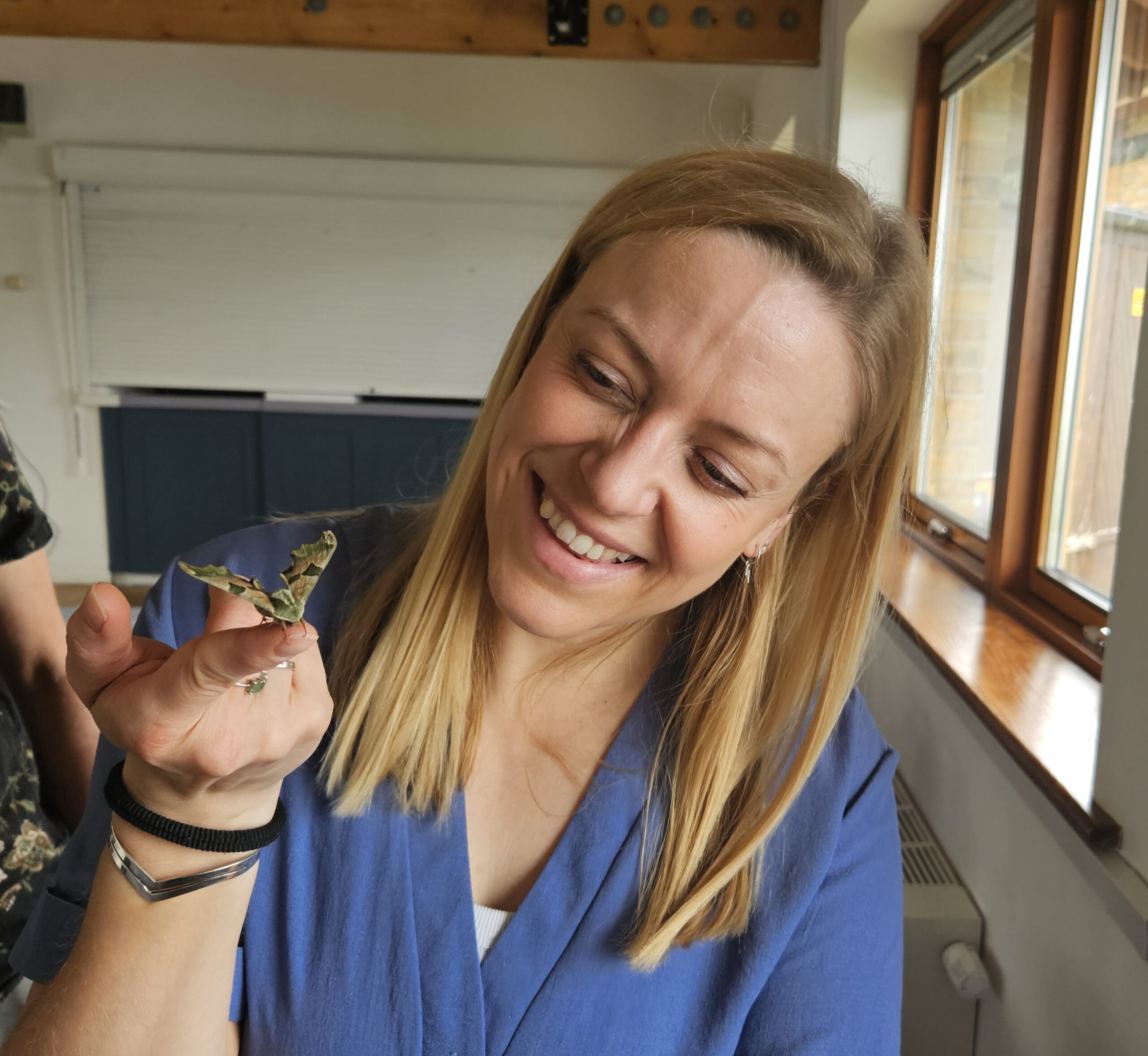
Charlie Outhwaite is a Research Fellow at the Zoological Society of London’s Institute of Zoology. Her research focuses on understanding patterns and trends in insect populations, including the large-scale impacts of human-driven pressures such as land use and climate change.
She is involved in the GLiTRS project, which synthesises global data to understand insect responses to environmental threats at the global scale, and InsectAI, a collaborative initiative to advance insect monitoring and conservation using computer vision technologies. Charlie completed her PhD on modelling biodiversity trends from occurrence records at the UK Centre for Ecology & Hydrology and has held postdoc and teaching positions at UCL.
Matt Rogers, Senior Lecturer, London School of Hygiene & Tropical Medicine
Leishmania transmission from phlebotomine sand flies – who’s in charge?
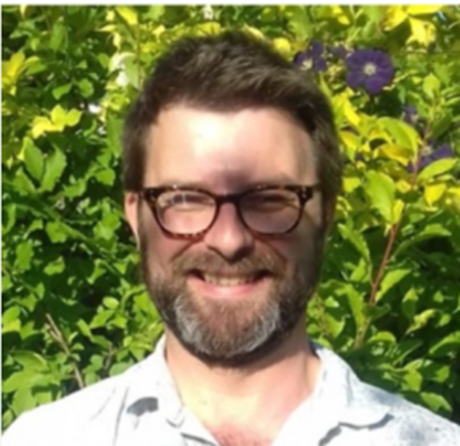
Matthew (Matt) Rogers is an Associate Professor of Vector Biology in the Department of Disease Control, Faculty of Infectious and Tropical Diseases, London School of Hygiene & Tropical Medicine. He has more than 25 years’ experience working on different aspects of the biology of Leishmania parasites, their vectors – sand flies and the transmission of leishmaniasis.
Matt graduated from Imperial College, London with a BSc in Biological Sciences in 1994. After a brief research assistantship on the chemotherapy of lymphatic filariasis at the International Institute of Parasitology, St Albans he obtained a MSc in Applied Parasitology and Medical Entomology from the Liverpool School of Tropical Medicine in 1996.
Matt stayed in the Liverpool School for a further 10 years and completed a PhD in Leishmania-sand fly interactions and two post-doctoral appointments to work on the transmission of leishmaniasis during which he identified new aspects of the life cycle of Leishmania in their vector and the role of a glycan-rich biofilm secreted by Leishmania parasites in the sand fly for transmission and vertebrate infection. In 2006 he returned to Imperial College to work on the immunology of Leishmania infection by sand fly bite as a Wellcome Trust Advanced Training Fellow. During this time he developed an interest in field work through the KALANET programme, a community-wide clinical trial of insecticide-impregnated bednets against visceral leishmaniasis in India and Nepal, where he developed serological tools to measure vector exposure.
In 2009 Matt moved to the London School of Hygiene and Tropical Medicine as a lecturer and in 2010, secured a prestigious David Phillips Fellowship in the Department of Infection and Immunity to study the immunology of Leishmania infection from sand fly bite in greater detail. In 2013 he transferred to the Department of Disease Control where he is an associate professor in Vector Biology. Matt’s current work focusses on the transmission biology of leishmaniasis and he collaborates with a wide network of molecular biologists, biochemists, glycobiologists, physicists, bioinformaticians and mathematical modellers to understand this process in better detail.
Matt’s lab has been funded by a number of UK and international research bodies, including: the UKRI (BBSRC and MRC), Wellcome Trust, the Royal Society, WHO, EU and BMGF.
At LSHTM Matt is the Programme Director for the MSc Medical Parasitology & Entomology (https://www.lshtm.ac.uk/study/courses/masters-degrees/medical-parasitology ) and organises several teaching modules – Core Parasitology and Entomology, Vector Biology and Vector-Parasite Interactions modules and the MSc Field Trip.
Workshops
1. Behind the Microscope – mental wellbeing for early-career entomologists
We are delighted to confirm that Kath Allen from Kath Allen Coaching will be delivering a workshop dealing with mental health and the unique challenges of academia.
Attendees will consider how to understand their stress triggers, how they can spot them and what they can do to support themselves, as well as being clear how they can ask for support and set boundaries with others.

Dr Kath Allen is an environmental leadership coach. She believes that nature passionate people make their biggest difference when they give themselves the same care that they give to nature. Kath has a PhD in the conservation and ecology of rare damselflies and spent 15 years as an academic, researching topics ranging from wildfire in upland UK moorlands to tropical coral reef dynamics. After a successful career facilitating knowledge exchange between academics and conservation professionals, Kath now coaches them to maximise the impact of their work, in a way that is Truly Sustainable.
2. Creative Science Communication
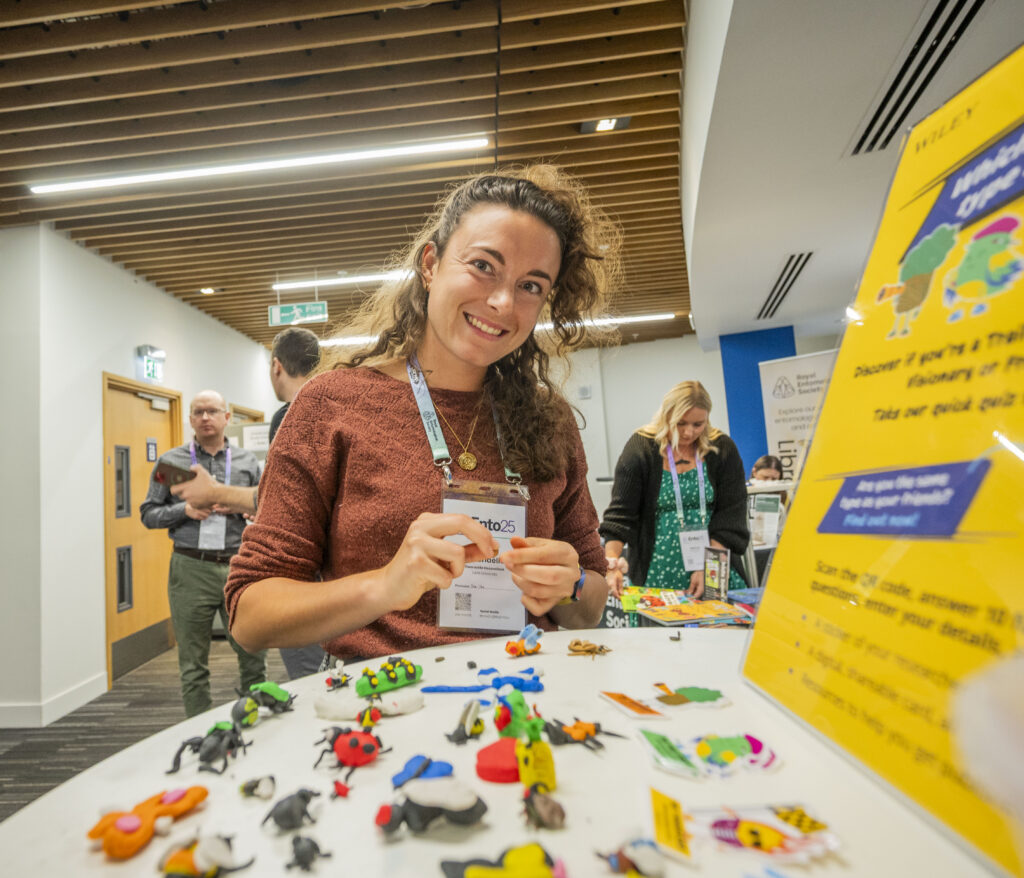
Vivek Nityananda is a BBSRC David Phillips Fellow and Senior Lecturer at the Centre for Behaviour and Evolution and the Biosciences Institute at Newcastle University and will be delivering this creative session!
Delegates will have the opportunity to attend both workshops.
Sponsorship and exhibitor opportunities

We would like to thank Koppert, Biological crop protection and pollination for growers worldwide, for kindly supporting our Student Forum again.
Partnering with us offers a valuable opportunity to showcase your organisation and engage directly with future talent. We offer a range of sponsorship and exhibition options and are happy to create bespoke packages to suit your business needs.
Contact fran.fleming@royensoc.co.uk for more information.
RES Student representatives
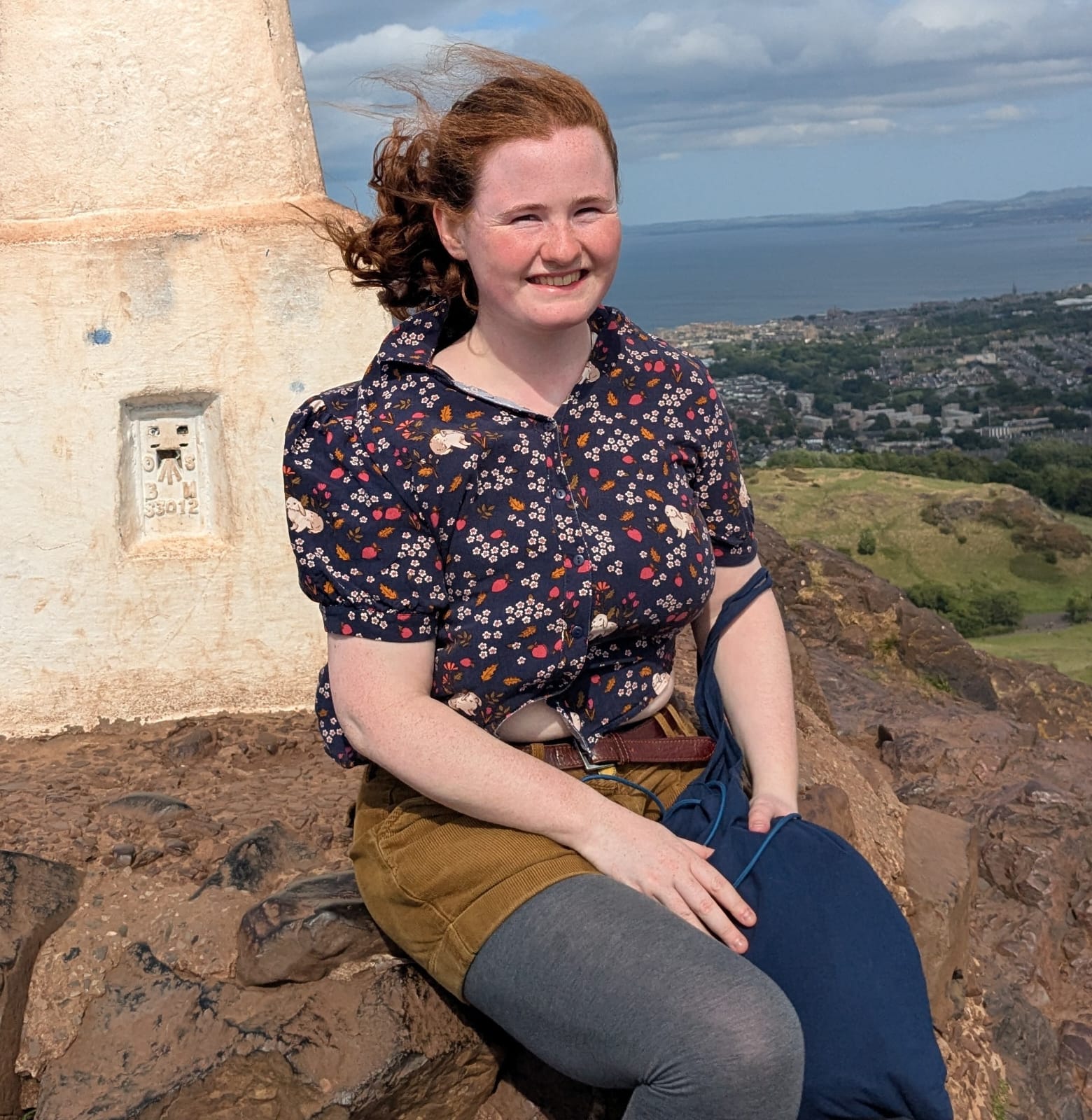
Genevieve Kiero Watson
Lancaster University
Idris Adams
University College London
Rosy Christopher
Newcastle University
Registration
Registration covers the cost of both days of the conference, including refreshment breaks, lunches, and a poster session with drinks.
Please note there are discounted rates for student members of the RES, so if you are not a member already, consider joining today. Student membership is just £17 per year with one year’s free trial.
To access the discounted rates you will need to login to your account.
Note: By registering for and attending this event, you acknowledge that photographs and/or video recordings may be taken. These images may be used by the Royal Entomological Society for promotional, educational, and archival purposes, including publication on our website, social media, and printed materials. If you do not wish to be photographed or filmed, please inform a member of the organising team on arrival or contact us in advance at events@royensoc.co.uk.
Registration deadline: 17:00 (GMT), Friday 13 March
| In-person | |
|---|---|
| RES Student Member | £50 |
| Non-member | £80 |