Why We Are Celebrating Wasps This September: Inspired by Endless Forms.
When most of us think of wasps, we picture our picnics under siege or a sharp sting we’d rather forget. But this September, inspired by reading RES Trustee Professor Seirian Sumner’s brilliant new book Endless Forms: The Secret World of Wasps, we’ve been rethinking these insects that are so often misunderstood.
Far from being nature’s villains, Sumner showed us that wasps are pollinators, pest controllers, and vital players in ecosystems worldwide. September, when they’re most visible in our gardens, is the perfect moment to step back from the stereotypes and celebrate their hidden superpowers.
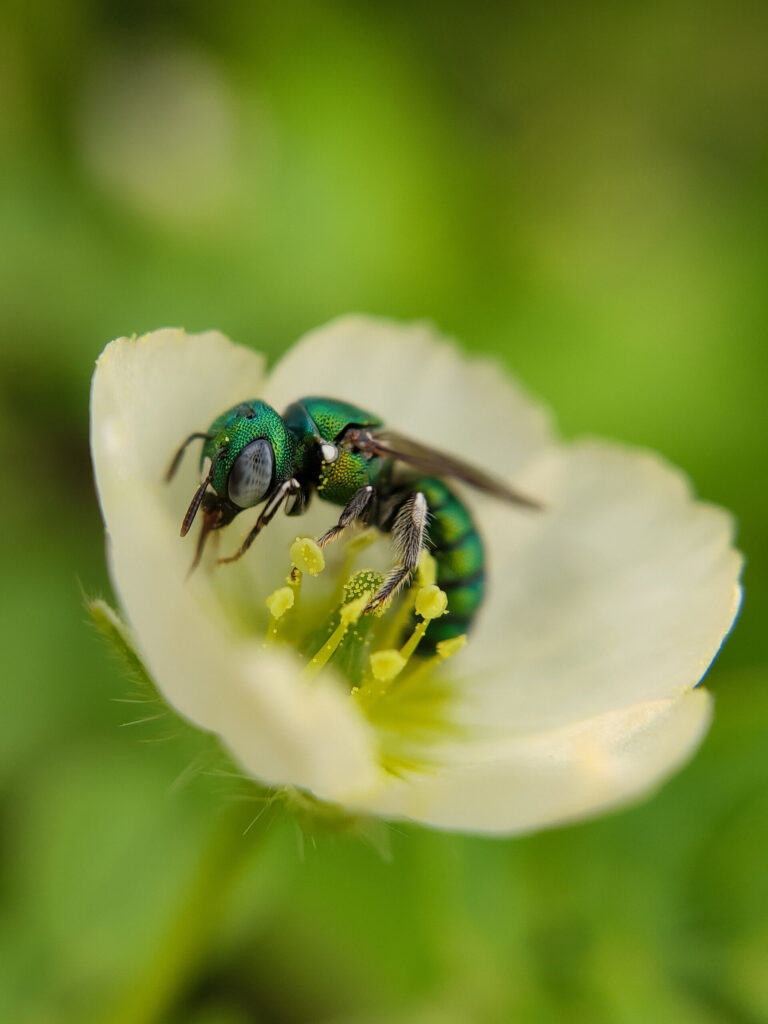 A Green Metallic Sweat bee (Ceratina sp.) collecting pollen on a flower, India
Photo (c) Antaryami Das
Wasps as Pollinators
One of our big takeaways from Endless Forms is a reminder that wasps don’t just sting — they also pollinate. While bees get most of the credit (and rightly so), research highlighted in the book shows that wasps visit thousands of plant species worldwide, transferring pollen as they move between flowers.
In late summer and early Autumn, when many bees are slowing down, wasps are still actively feeding on nectar. That makes them particularly important for pollinating late-flowering plants — from ivy and brambles to fruit trees and garden wildflowers.
Pest Controllers of the Natural World
Another theme in Endless Forms is wasps’ overlooked role as predators — and a gardener’s ally against pests. Social wasps hunt aphids and other invertebrates, feeding them to their developing larvae.
Without wasps, many insect populations could quickly grow unchecked, putting pressure on crops, gardens, and natural ecosystems alike. Ecologists estimate that wasps remove millions of kilograms of insect prey globally every year.
 Ant (Formica sp.) & wasp (Vespula sp.)
Photo (c) Pawel Bieniewski
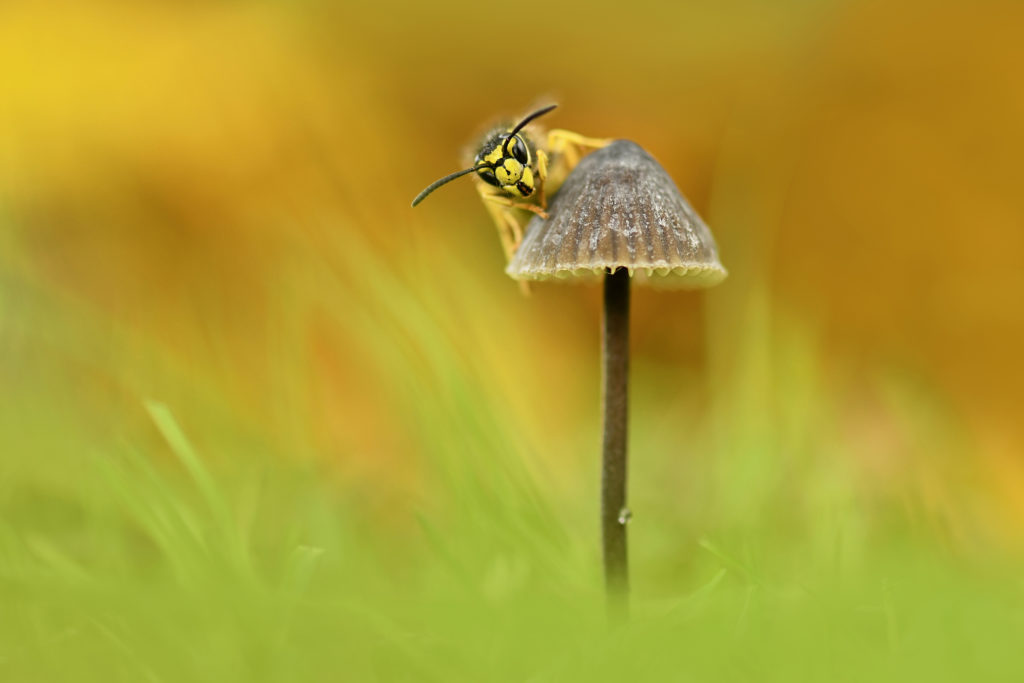 Photo (c) Beverley Brouwer
Why Wasps Get a Bad Reputation
Sumner also explains why wasps get such a bad press — and it often comes down to timing! By September, wasp colonies are breaking down. Their queens have mated and left to hibernate, and the workers no longer have larvae to feed.
With no clear role, they turn their attention to sugary foods — which often puts them in conflict with humans. It’s easy to label them “pests” at this stage, but in truth, they’ve already spent months supporting biodiversity in ways we rarely notice.
Wasps and Ecosystem Balance
Beyond pollination and pest control, Endless Forms highlights how wasps play a role in food webs. They provide prey for birds, bats, and other insects. Even their abandoned nests enrich ecosystems — cavities often become homes for other wildlife.
Each wasp, though small, is part of a bigger cycle that keeps nature in balance.
 Photo (c) Gustav Parenmark
Seedball’s Advice for Late Season Picnics
When a wasp starts eyeing your scone, here’s what to do:
- Freeze, don’t freak out — no waving, shouting, or flailing.
- See what she wants — Jam? Ham? Offer a tiny piece away from your table.
- Cover your treats — lid on drinks, mesh over plates.
- Scents to the rescue — peppermint, basil pots, or an incense stick can do the trick.
- Go smoky — a little bowl of smouldering coffee grounds works wonders.
- Trick her territory — hang up a fake nest and let wasp psychology do the rest.
With these smart, simple tips, you can picnic with peace of mind — and keep wasps wandering off in search of sweeter pastures.
Enter the Competition
Win a Waspy Prize Bundle!
This September, we’re giving two lucky winners the chance to celebrate wasps in style.
Each winner will receive:
- 🐝A signed copy of ‘Endless Forms: The Secret World of Wasps’, by Professor Seirian Sumner
- 🐝 A Wildlife Mix grab bag of 100 wildflower seed balls.
- 🐝 A fabulous Feeding The Bees sign
- 🐝A set of our RES Seedball Boxes — scatter wildflowers and support pollinators of all kinds
The competition will run on our social channels from 22-29 September.
Support RES, Seedball and Wasps with Our Special Boxes
Alongside the giveaway, we’re putting in the spotlight Seedball’s Royal Entomological Society Boxes.
Every set sold gives £0.90 to support our work to champion insects of all kinds. Scatter in your garden and you’ll be feeding bees, butterflies… and yes, wasps too!
A Final Thought
September is often seen as the end of Summer’s buzz, but as Professor Sumner reminds us in Endless Forms, it’s also the wasp’s moment in the spotlight.
Far from being villains, wasps are pollinators, predators, and ecosystem engineers. By looking past their sting, we can start to see them for what they are: vital players in the health of our gardens and the wider natural world.
