Article by Fabrizia Ratto1, Peter Steward2, Steven M. Sait3, Julien M. Haran4, S., Rene Gaigher5, James Pryke5, Michael J. Samways5 and William Kunin3
- 1Royal Holloway University of London, UK
- 2World Agroforestry (ICRAF), Kenya
- 3School of Biology, Faculty of Biological Sciences, University of Leeds, Miall Building, Leeds, LS2 9JT, UK
- 4Centre de Biologie pour la Gestion des Populations, CIRAD, France
- 5Stellenbosch University, South Africa
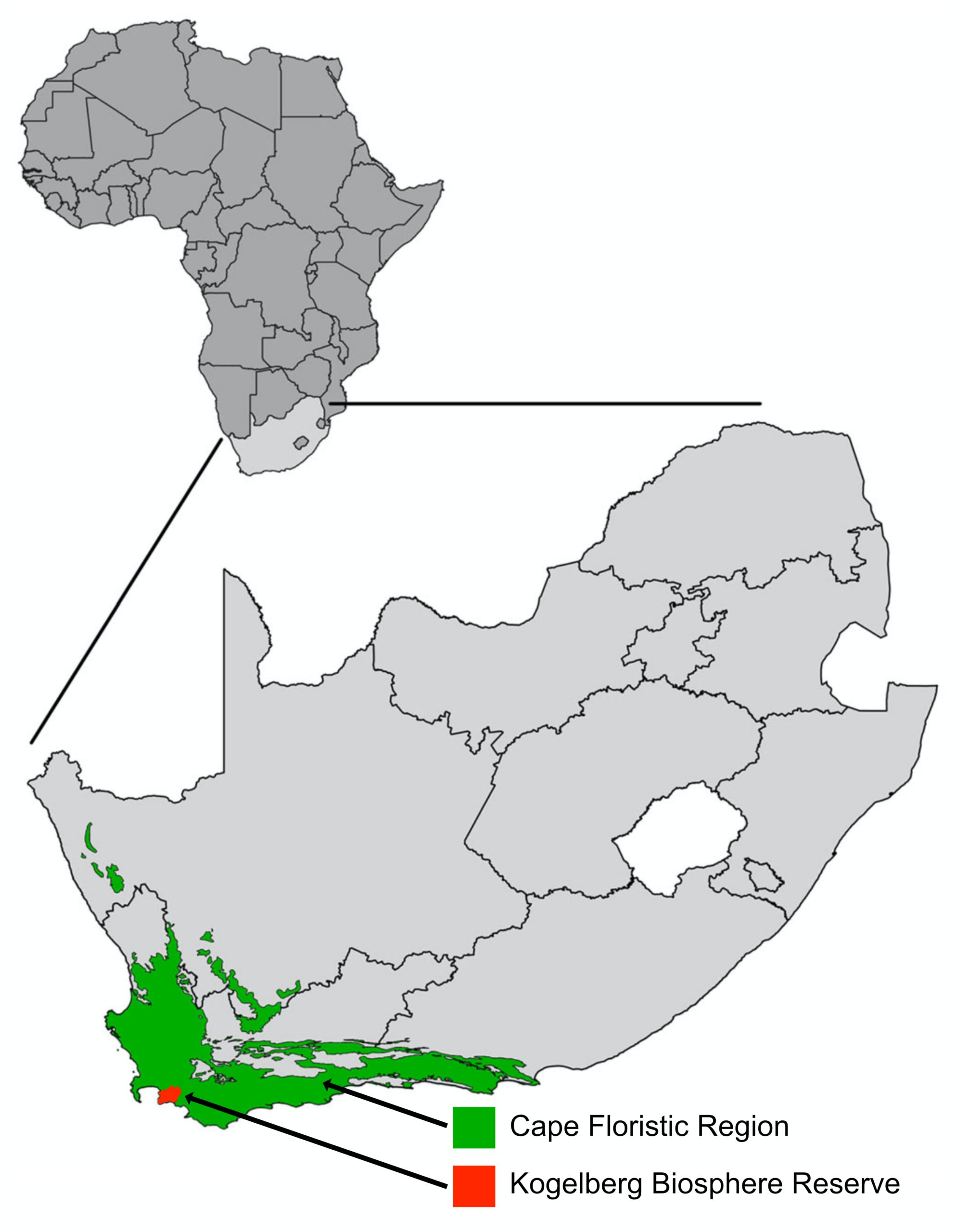 Figure 1. The Cape Floristic Region biodiversity hotspot at the southern tip of Africa with the position of the Kogelberg Biosphere Reserve arrowed. Map by Charl Deacon
In the heart of South Africa’s Cape Floristic Region (CFR) biodiversity hotspot (Fig. 1), lies the rugged fynbos-clad mountains (Fig. 2). Fynbos is a tough bushy, Mediterranean type of vegetation adapted to cool, wet winters and hot, dry summers. The region is famous not only for its exceptional biodiversity—one of the richest floras on Earth—but also for producing some of South Africa’s finest apples in suitable terrain among the peaks. Yet, like so many other agricultural landscapes around the world, this region faces a growing challenge: how can it sustain both food production and biodiversity within the same space?
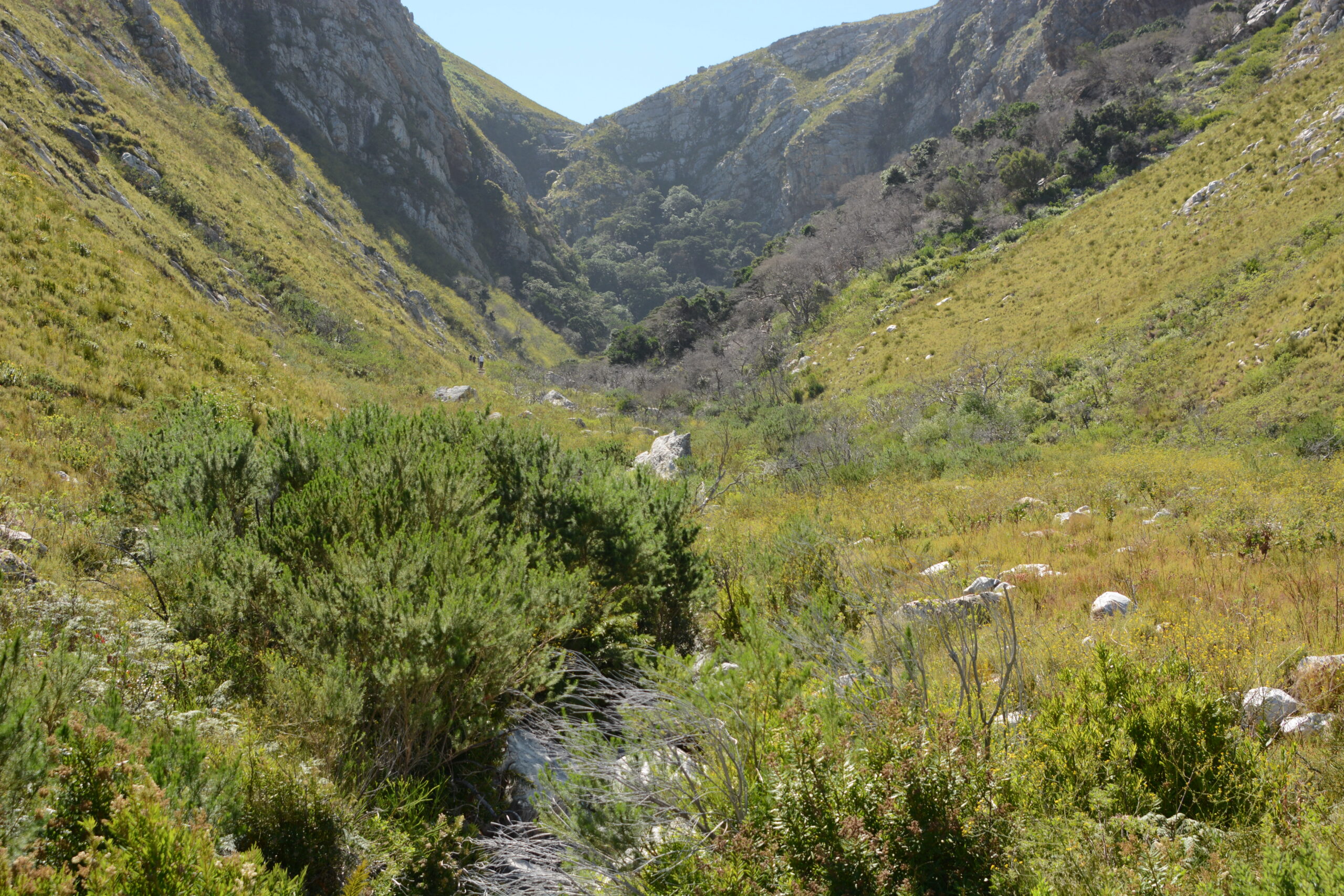 Figure 2. The rugged Kogelberg Biosphere Reserve, extremely rich in plant and insect diversity. Credit: Michael Samways.
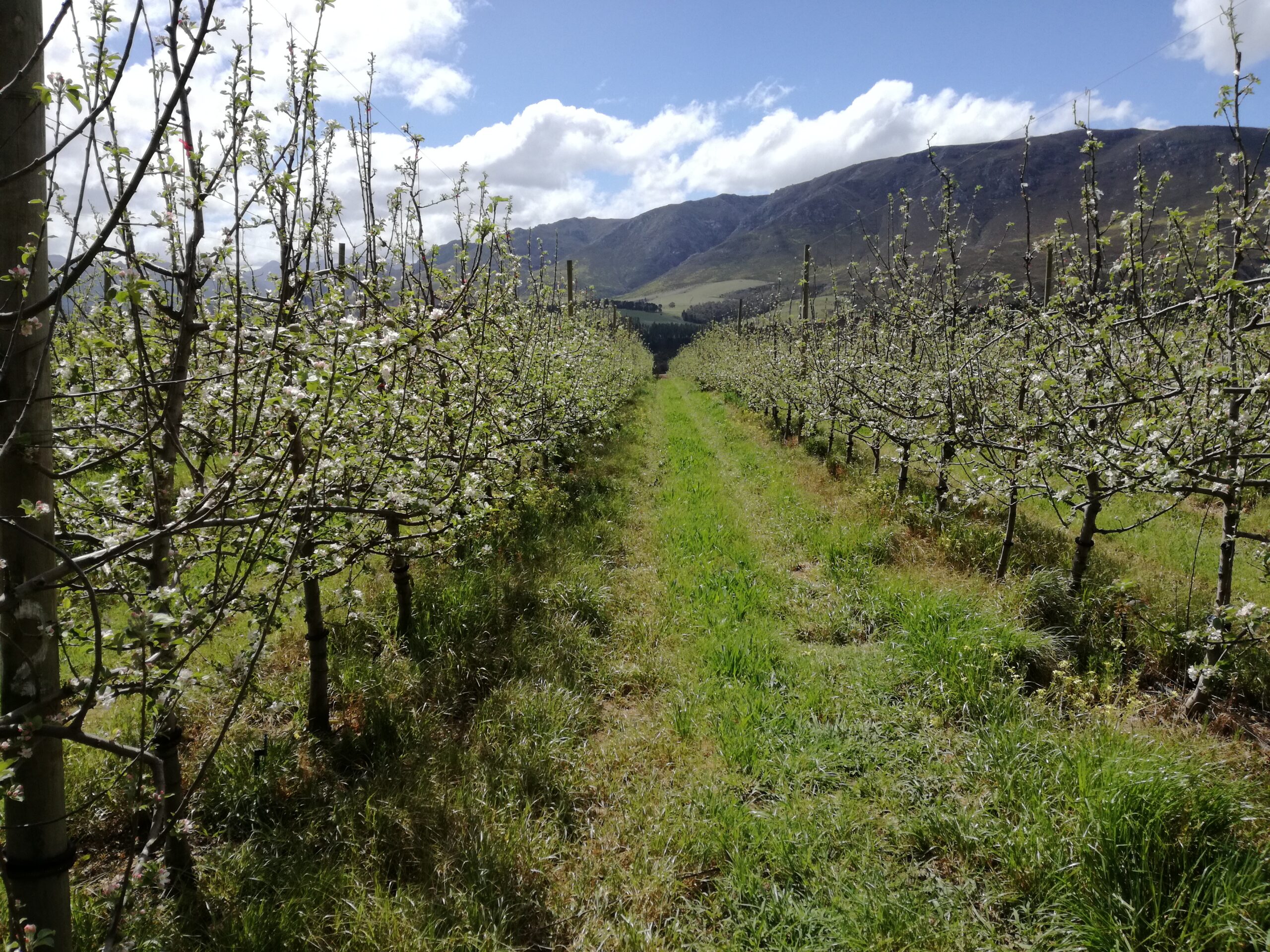 Figure 3. An apple orchard with weedy interrow strips nestled among the mountains in the Kogelberg Biosphere Reserve. Credit: Peter Steward.
Across the globe, agricultural intensification has simplified landscapes and reduced insect diversity (Habel et al., 2019; Batáry et al., 2020). Pollinators and natural enemies alike have declined under increasing pesticide use and habitat loss (Biesmeijer et al., 2006; Potts et al., 2010; Knauer et al., 2025). In the CFR, more than 30% of natural fynbos has already been transformed by agriculture and urbanisation (Cowling et al., 2003).
Apple production is important in this modified environment, being significant for the local agricultural economy (Fig. 3). In recent years, we have worked with South African fruit growers to test whether it is possible to move from conventional agriculture to an agroecological approach by establishing wildflowers in the apple orchards. Our aim was to explore whether increasing floral resources could help restore beneficial insects like pollinators and parasitoids while improving apple production at the same time. As Biosphere Reserves are gaining so much significance (today 784 globally in 142 countries), our experiments took place within the Kogelberg Biosphere Reserve (KBR), a UNESCO Man and the Biosphere site in the southwestern Cape. The KBR includes a core conservation zone surrounded by buffer and transition zones where farming and biodiversity conservation coexist (Pool-Stanvliet et al., 2018) (Figs 2 and 4).
Figure 4. The Biosphere Reserve concept. The core zone (C) in the centre is a formally proclaimed protected area dedicated to biodiversity conservation and the maintenance of ecosystem processes. Around this zone is the buffer zone (B) with low-intensity human land use and employing agroecological principles.
Outside the buffer zone is the transition zone (T), also employing agroecological principles, but slightly Figure 3. An apple orchard with weedy interrow strips nestled among the mountains in the Kogelberg Biosphere Reserve. Credit: Peter Steward. more extensively than in the buffer zone. In reality, these zones are much more convoluted than shown here (From Samways, 2020).
This geographical setting provided the perfect outdoor laboratory to test agroecological ideas in practice. We researched 36 commercial apple orchards, each growing the Golden Delicious cultivar, to establish experimental floral resource strips between orchard rows. Each orchard contained three 40 m transects with floral plots planted in February 2018.
One of the transects was sown with indigenous Lobularia maritima (Sweet Alyssum) (Fig. 5 top), another with a diverse mix of 11 flowering local species (Fig. 5 bottom), and a third left as an unmanipulated control dominated by grasses and weeds (Ratto et al., 2021, 2025) (Fig. 3).
The floral species were chosen for their extended flowering period and attractiveness to a wide range of insects. Lobularia maritima especially, has been shown to support both pollinators and parasitoids in various cropping systems (Begum et al., 2004; Balzan & Wäckers, 2013). The apple orchards were embedded within landscapes that ranged from highly natural (>50% natural habitat) to low natural habitat (<20%) within a 500 m radius, allowing us to test how landscape complexity interacts with local floral management.
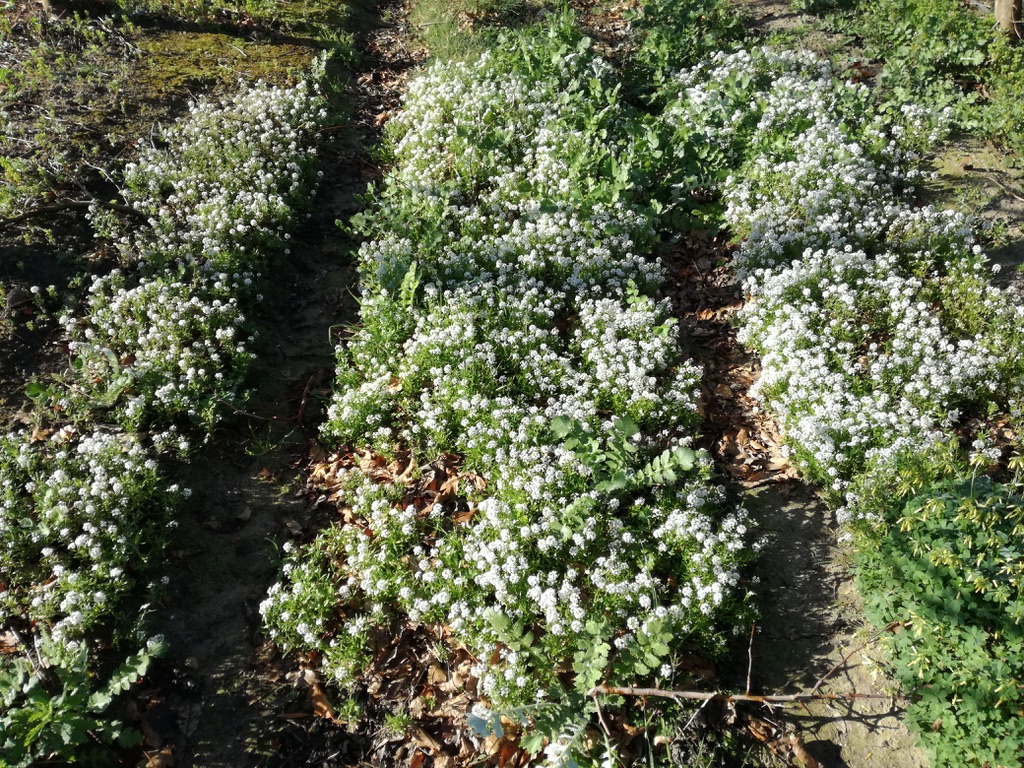 Figure 5. Experimental single flower strip (Lobularia maritima) (top). Credit: Peter Steward
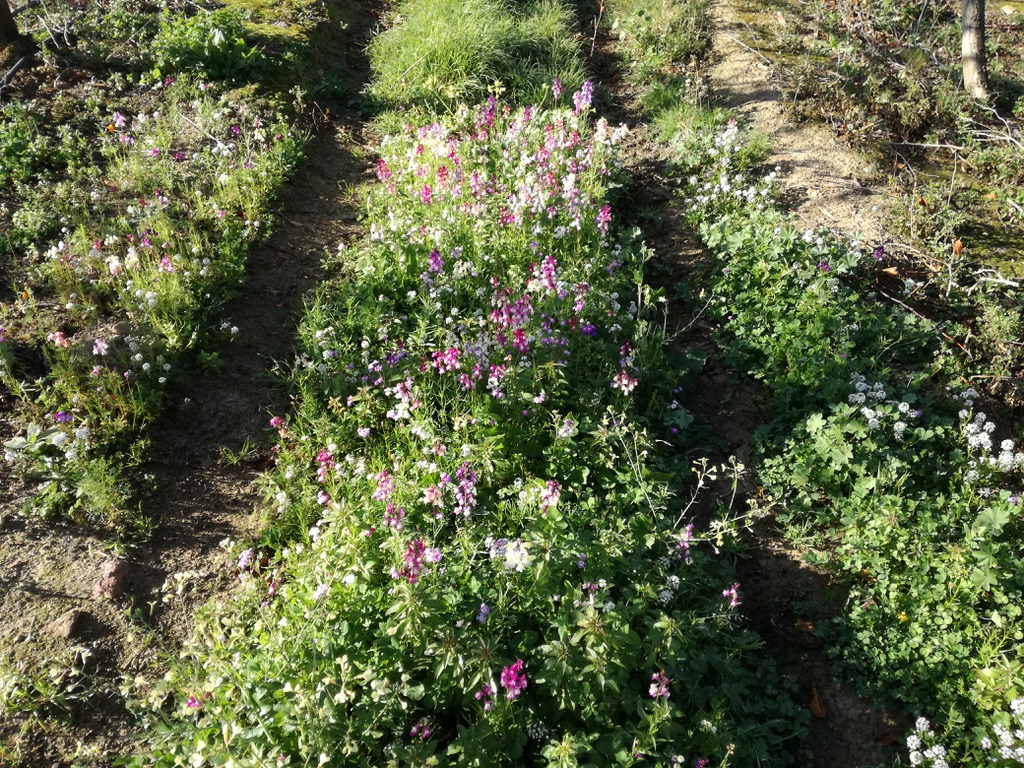 Figure 5. A diverse flower strip (bottom). Credit: Peter Steward
A tale of two services: pollination and pest control
Our research involved two complementary investigations. The first focused on pollinators (Fig. 6) and their impact on apple yield and fruit quality (Ratto et al., 2021). The second looked at hymenopteran parasitoids, the tiny but vital insects that help control crop pests while also a major component of natural ecosystems (Ratto et al., 2025). Both studies used standardised pan trapping and field observations, but each targeted different groups of beneficial insects (Fig. 7). For the pollination study, we also ran pollinator exclusion experiments to quantify the contribution of insects to fruit set, and to estimate the economic value of these services.
During the apple bloom, we recorded over 6,000 insect visitors across the experimental orchards. The endemic Apis mellifera capensis (Cape Honey Bee) was by far the most common visitor, accounting for 89% of all flower visits. Smaller wild bees, hoverflies, beetles and moths made up the rest of the assemblage. We found that floral strips significantly increased honey bee activity within orchards. For every additional square metre of floral cover, honey bee abundance increased by roughly 15%. Interestingly, while managed honey bees were relatively unaffected by the surrounding landscape, wild bees were more abundant in orchards surrounded by natural fynbos, confirming the importance of maintaining native vegetation near farms (Garibaldi et al., 2011; Kennedy et al., 2013).
Pollination experiments revealed that open-pollinated flowers set more and larger fruit than those excluded from insect visitors. Apples pollinated naturally were on average 8.6% heavier and 4.7% wider than those from insect-excluded branches, with significantly higher sugar content. Even a small-scale floral intervention translated into tangible economic benefits: orchards with floral strips produced apples worth R4,160 more per hectare (c. £165) compared with control plots. While the system remains heavily dependent on managed honey bees, these results suggest that modest increases in floral resources can improve both pollination and fruit quality, offering a win–win for growers and insects alike.
While pollinators steal the spotlight, the success of any orchard ecosystem also depends on its natural enemies, particularly parasitic wasps that help suppress pest populations. In a follow-up study on the same orchards, we investigated whether the same floral enhancements that benefited pollinators could also support these less-celebrated allies.
Across the 36 orchards, our pan-traps collected 4,278 parasitoid individuals, representing at least a dozen families, including Platygastroidea, Chalcidoidea, Aphelinidae and Ichneumonidae. Using a human-assisted molecular identification (HAMI) metabarcoding framework (Penel et al., 2025), we were able to characterise species richness and assemblage composition. The results were encouraging.
Parasitoid abundance increased significantly with floral area, demonstrating that even small, additive flower strips can boost beneficial insect numbers within orchards. However, we also found that non-crop habitats – the weedy margins and adjacent ruderal areas – supported even higher parasitoid richness, while natural sclerophyllous fynbos harboured the most diverse assemblages overall.
This gradient highlights an important principle of agroecology: local interventions such as floral strips work best when embedded within a complex, heterogeneous landscape. Although flower plantings boosted parasitoid abundance locally, landscape structure ultimately determined the diversity and composition of these assemblages, as also seen elsewhere (Tscharntke et al., 2012).
Not all flowers are equal
An intriguing aspect of our findings was that simple floral plantings (L. maritima alone) supported higher parasitoid abundance than the more diverse seed mixes. While this may seem counterintuitive, it reflects the importance of flower traits such as colour, structure and nectar accessibility for attracting specific insect groups. Lobularia maritima’s open white flowers are particularly attractive to small parasitic wasps, which prefer easily accessible nectar sources (Begum et al., 2004; Urbaneja-Bernat et al., 2024). This result suggests that careful plant species selection may be more important than sheer floral diversity in optimising ecological benefits, supporting evidence that L. maritima provides a nutrientrich food source, thus enhancing parasitoid fitness, longevity and fecundity compared to other plants (Balzan & Wäckers, 2013; Chen et al., 2020; Theron et al., 2020).
Connecting fynbos, farms and food security
The broader implication of both studies is clear: integrating floral diversity into production landscapes enhances multiple ecosystem services simultaneously. Flower strips do not merely decorate the orchard floor but, importantly, restore crucial ecological functions that intensive agriculture has eroded. Within the Biosphere Reserve framework, this work illustrates how transition zones can serve as testing grounds for more sustainable farming systems that balance productivity with conservation (Samways et al., 2024). By promoting local biodiversity and maintaining functional connectivity across landscapes, floral enhancements contribute to the resilience of both natural and agricultural ecosystems.
Moreover, the synergy between pollination and pest control exemplifies the principle of agroecological intensification—producing more with less chemical input, while improving ecosystem health (Gaigher et al., 2024). This aligns with global efforts to reimagine agriculture not as a driver of biodiversity loss, but as a partner in its restoration. Despite the clear ecological and economic benefits, widespread adoption of floral enhancement remains limited. However, growers often worry that non-crop flowers will compete with their crop or harbour pests. Yet our data show the opposite: flower plantings increase beneficial insect activity without reducing pollination efficiency or yield (Ratto et al., 2021). Another concern is cost. While establishment requires some investment, the potential returns—in fruit quality, pollination services and reduced pest management costs—more than justify the effort. Over time, these interventions may be complementary to the small cost of rented beehives (at 2 hives/ha) that use indigenous and wild A. m. capenis and which farmers overall prefer as a safety net for optimal apple production.
Ultimately, encouraging farmers to view biodiversity as an asset rather than a liability will be key. Disseminating local evidence, such as the findings from the biosphere here, can help build trust in these practices and inspire broader uptake across South Africa’s fruit sector. The lessons from our work extend beyond apples and farther afield than South Africa. Around the world, similar experiments are showing that reintegrating wildflowers into farmland can deliver multiple benefits: sustaining pollinators, improving soil health, supporting natural enemies and stabilising yields (Albrecht et al., 2020).
In biodiversity hotspots like the Cape Floristic Region, these gains carry added significance. By designing farms that work with nature rather than against it, we can conserve species found nowhere else on Earth while producing food sustainably.

Thank You for 50 Years
Reaching 50 years is a testament to the enduring value of Antenna and the strength of the RES community. Thank you to everyone who has contributed, subscribed, shared photography, written, illustrated or championed the magazine over the decades, and to you, our Members and Fellows, for continuing to support insect science and communication.
Antenna remains a unique space where science meets storytelling – and we’re excited to share the next chapter with you.
Are you a RES Member or Fellow?
Log in to your membership account to request a hard copy of future volumes of Antenna, gain access to significant discounts on handbooks and registration to RES events, and many more exclusive benefits.
Not a Member or Fellow?
