Antenna is celebrating its 50th anniversary in 2026 – and we’re making the first issue accessible to all!
Since its launch in 1976, Antenna has connected generations of insect scientists, enthusiasts, educators and conservationists with research spotlights, citizen science and outreach initiatives, and stories that inform, inspire and celebrate the wonder of insects.
Over five decades, this quarterly bulletin has become a central voice for our community – blending cutting-edge science with engaging features, member news, interviews, historical insights and highlights from across the world of entomology.
To mark this remarkable achievement, the 50 Years of Antenna anniversary edition reflects on the rich legacy and evolving future of insect science.
Join the Celebration
As Antenna marks half a century of curious minds and brilliant stories, we invite you to:
- Read and share the anniversary issue – some of the articles can be found on this page
- Reconnect with your own favourite articles and memorable moments over the years
- Contribute your reflections, research or stories for future features
RES President Professor Jane Stout introduces this issue
Highlight
Conservation Science
Danish Blues: applying our evidence-based science to help the declining Large Blue butterfly (Phengaris arion) to survive and prosper in Denmark
Article by David Simcox and Sarah Meredith, Royal Entomological Society Conservation Science Team

Research Spotlight
The beat beneath my feet: Vibrational communication in ants and other insects
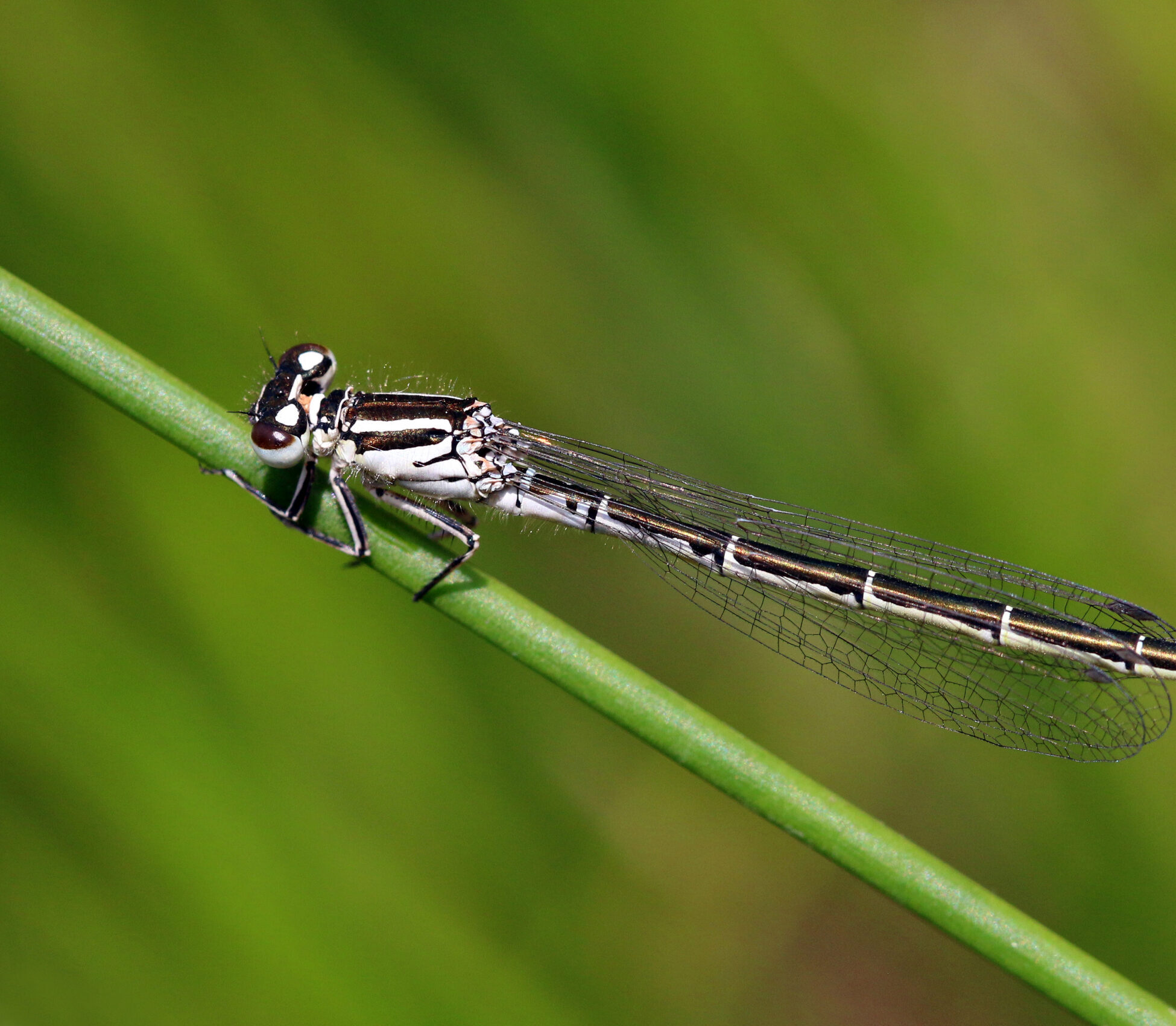
Insects and the Law:
Exploring gaps in terrestrial invertebrate protection in Britain
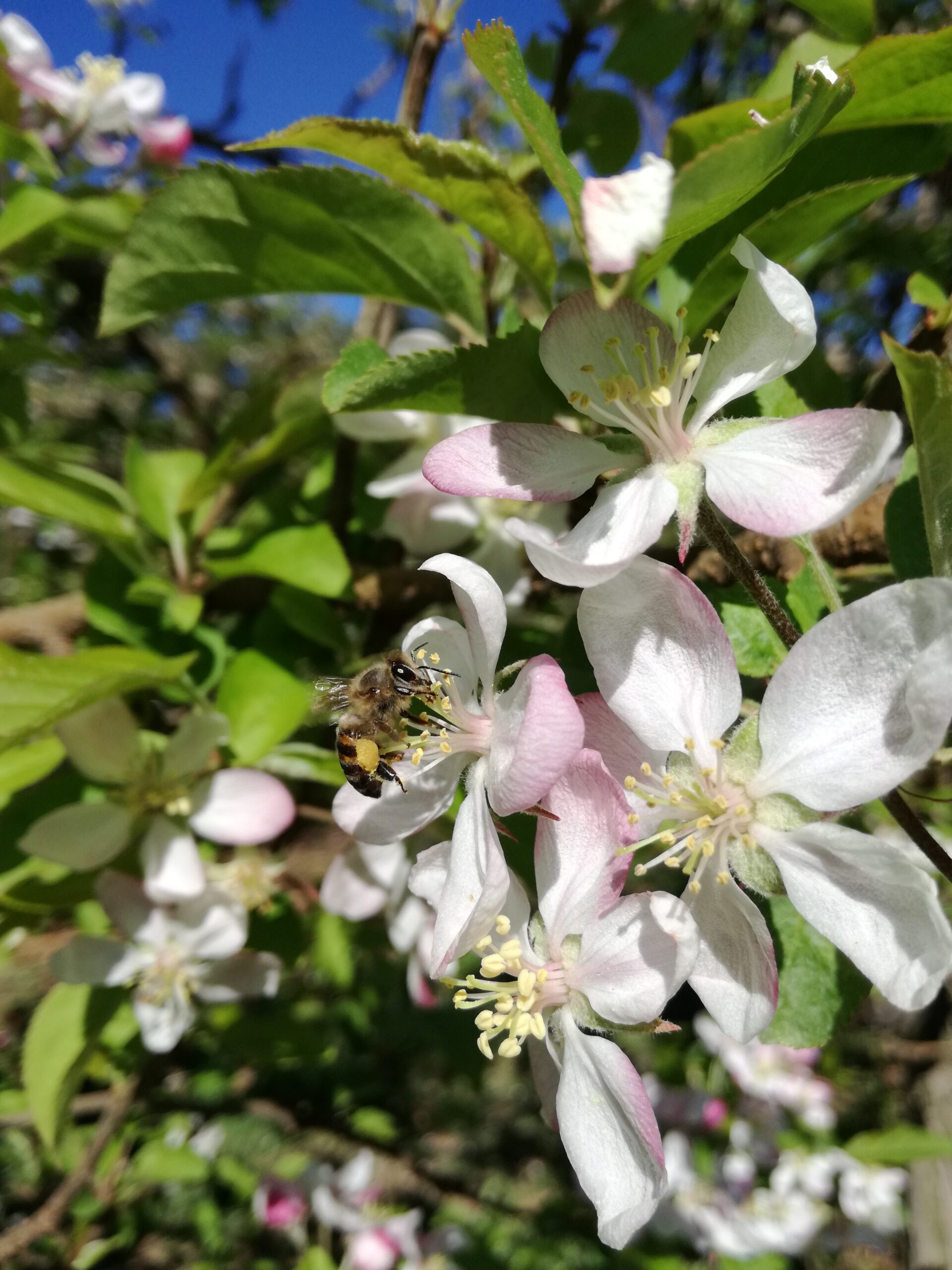
Flowers, Fruit and Fynbos
How to conserve beneficial insects in a biosphere reserve
Highlight
Featured Insect:
Charidotella sexpunctata (Fabricius, 1781) – American Golden Tortoise Beetle
Article by Talay Namintraporn, Natural History Museum, London
Library
and Publications
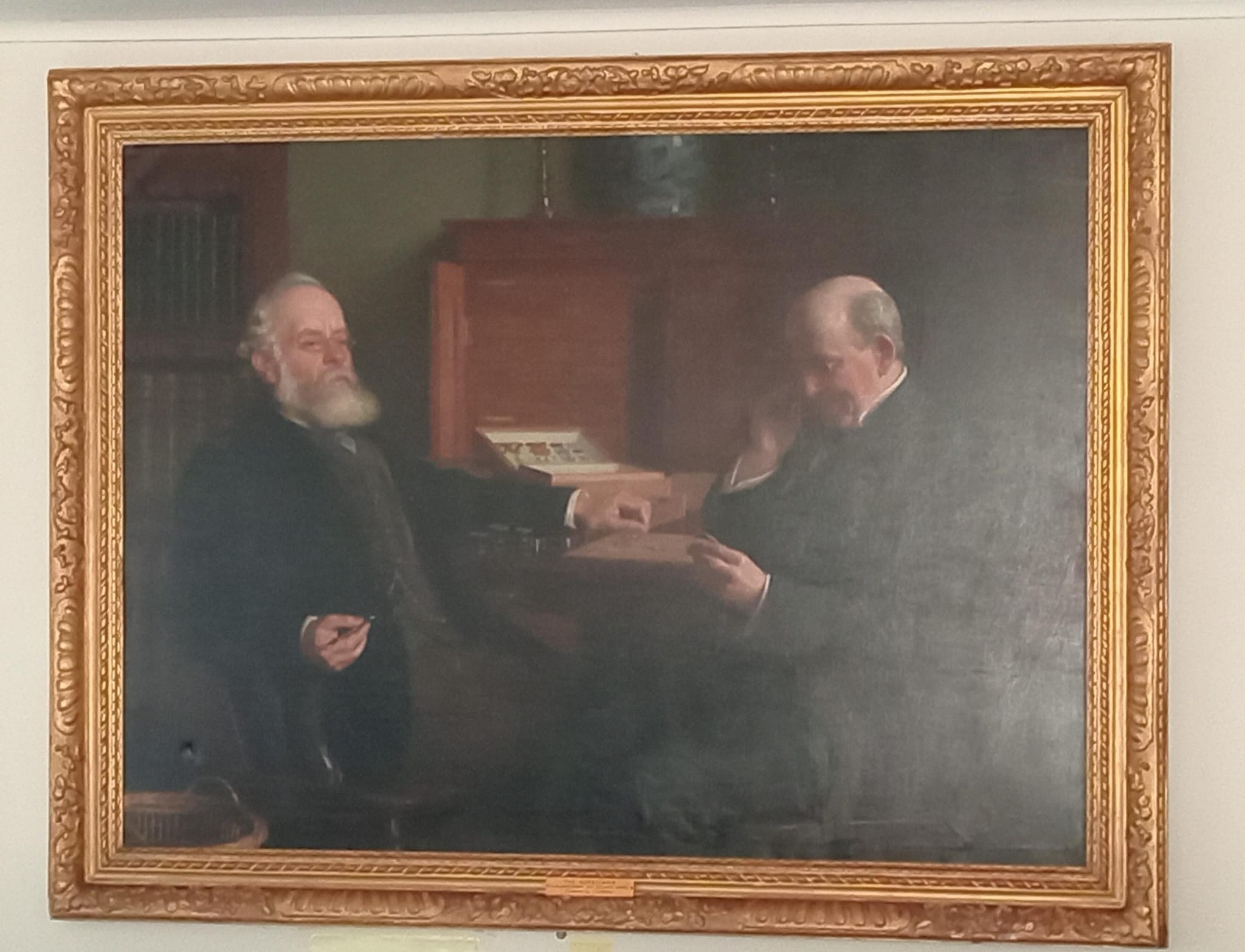
The Aurelians Painting 1908–09
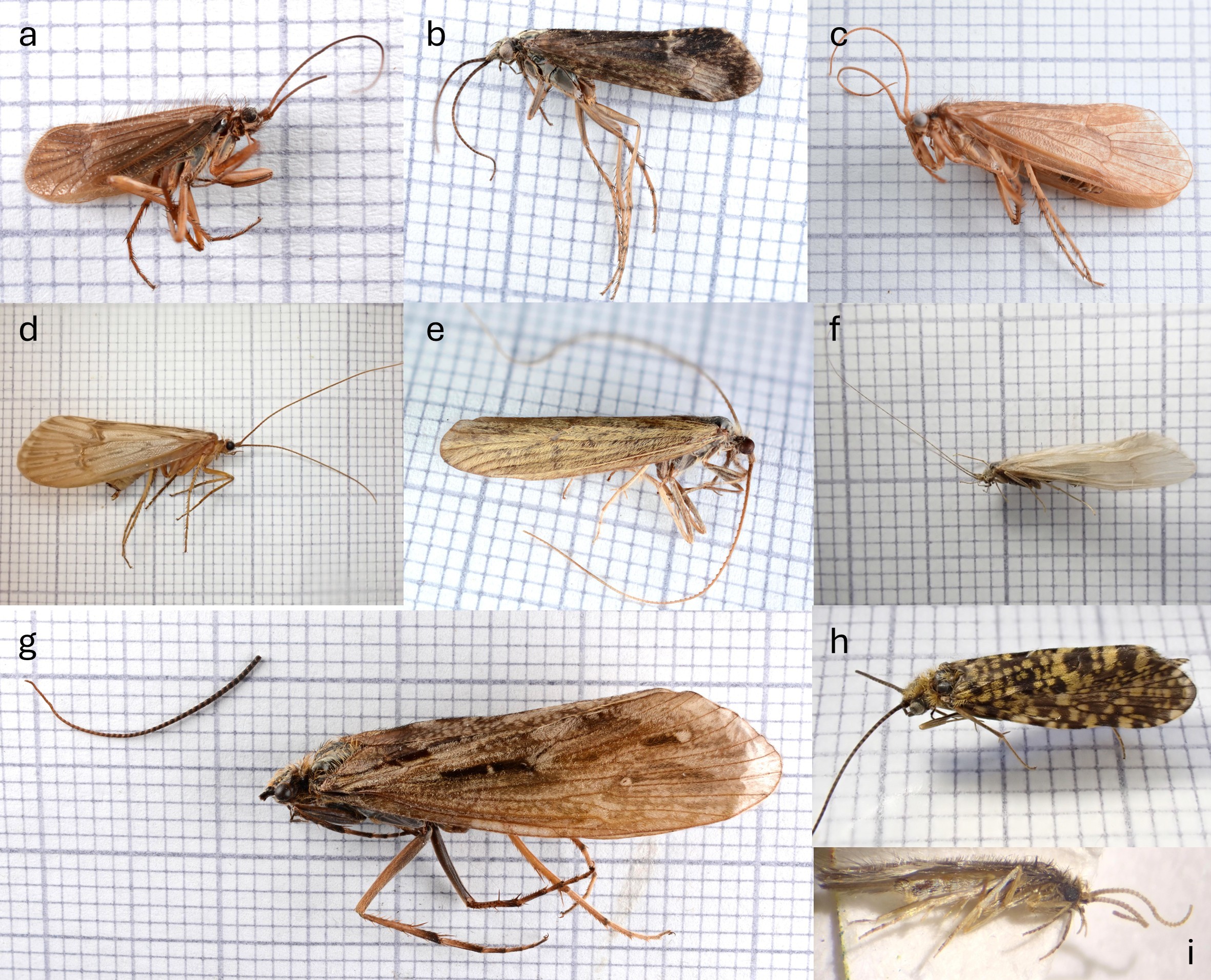
Embiopteran Tools:
AI-powered species identification
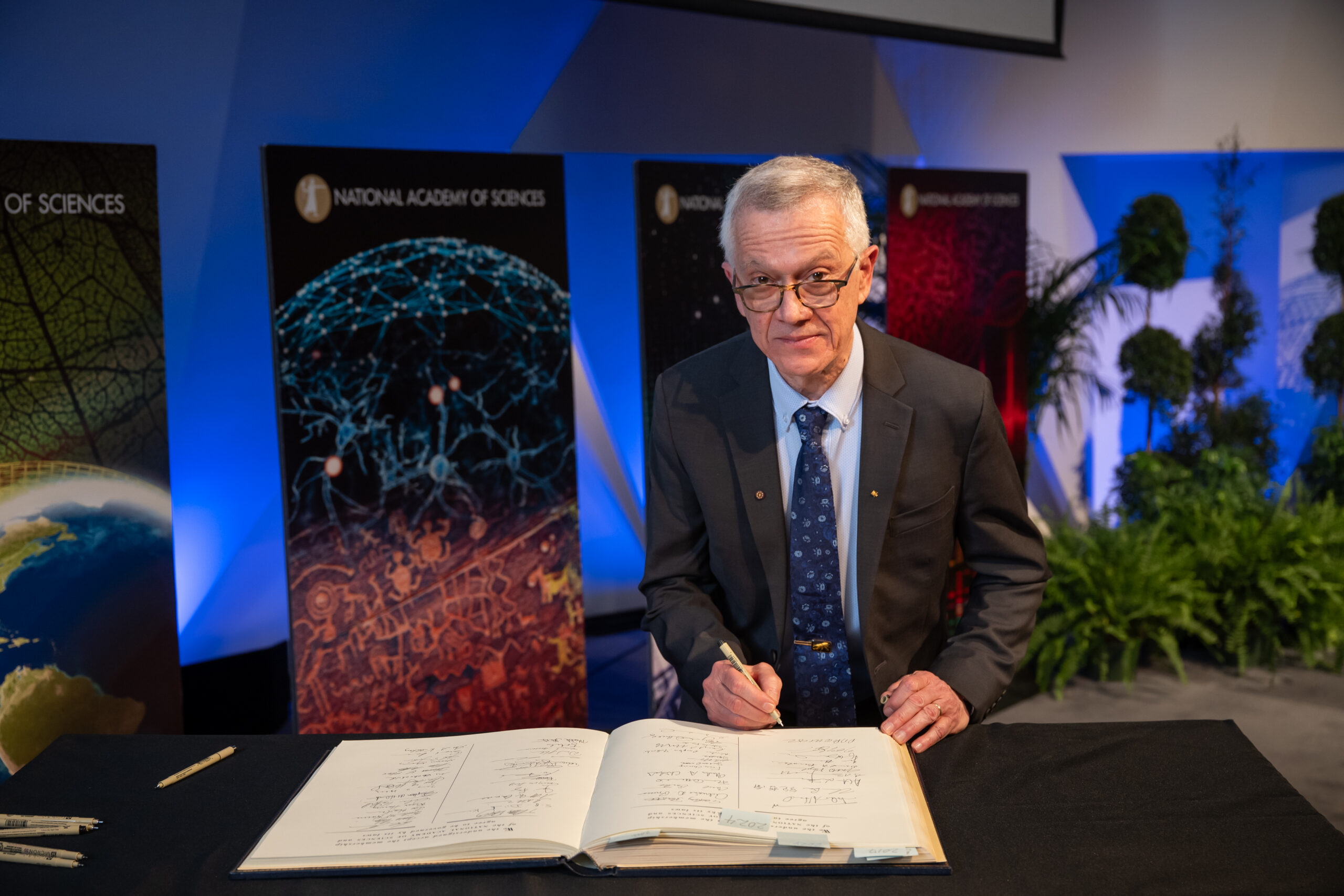
Honorary Fellow Interview:
Walter Leal Hon.FRES
Highlight
Insects in the News
Bembecia ichneumoniformis – Six-belted Clearwing
Article by Richard Harrington, with the help of material from Hugh Loxdale, Stuart Reynolds and Dafydd Lewis

All Members and Fellows of the Royal Entomological Society can access all previous volumes of Antenna via their online account.
Words from an Antenna editor
“When the first issue of Antenna came out, I had recently joined the Society. Editing it for the past seven years or so has been a privilege and a pleasure. Issue 50 (1) has a decidedly golden theme, starting with the cover which shows this month’s Featured Insect, the Golden Tortoise Beetle.
Our Librarian has written about The Aurelians – the magnificent painting that hangs in the Council Room. ‘Aurelians’ is an archaic term for butterfly collectors and is derived from the golden colour of some chrysalids. The other items in the issue are worth their weight in gold.”
– Richard Harrington Hon.FRES on writing for Antenna.
Join Us at Ento26
From scientific excellence and career development to networking and celebration, Ento26 brings the entomological community together under one roof.
We look forward to welcoming you.
Thank You for 50 Years
Reaching 50 years is a testament to the enduring value of Antenna and the strength of the RES community. Thank you to everyone who has contributed, subscribed, shared photography, written, illustrated or championed the magazine over the decades, and to you, our Members and Fellows, for continuing to support insect science and communication.
Antenna remains a unique space where science meets storytelling – and we’re excited to share the next chapter with you.
Antenna Team
Editors: Richard Harrington and Dafydd Lewis. Editorial Coordinator: Jennifer Banfield-Zanin (RES). Associate Editors: Jesamine Bartlett, Benjamin Chanda (PATH, Zambia), Jim Hardie, Louise McNamara (Teagasc, Ireland), Sajidha Mohammed (University of Calicut, India), Moses Musonda (Broadway Secondary School, Zambia), Claire Price (Harper Adams University), Stuart Reynolds (University of Bath), Yanet Sepúlveda De La Rosa (University of Sussex)
All rights reserved. Those wishing to reproduce articles must first contact the Royal Entomological Society. Views and opinions expressed by authors are not necessarily those of the Royal Entomological Society.
Are you a RES Member or Fellow?
Log in to your membership account to request a hard copy of future volumes of Antenna, gain access to significant discounts on handbooks and registration to RES events, and many more exclusive benefits.
Not a Member or Fellow?
