The RES provides free-to-read sample articles for each new issue of our membership-exclusive Antenna magazine, available for you to access wherever you are, from the comfort of your device of choice.
The following article is included as a Free Sample from Antenna 50 (3) – Download this free article as a PDF from the Antenna Archive, or continue reading it via the webpage below.
Article by Jeremy Thomas, University of Oxford
In issue 1 of Antenna, in an article titled “Entomology at Furzebrook Research Station, Dorset, England”, the late M.G. Morris (1976) devoted a paragraph to my research on the ecology and conservation of the Large Blue butterfly Maculinea (now Phengaris) arion. He revealed that the UK population was reduced to fewer than 40 adults restricted to one small site, and that my (unpublished) results suggested that (i) the key mortality in the life-cycle of this social parasite of ants occurred during its myrmecophilous larval stage; (ii) that Myrmica sabuleti was its obligate host; and (iii) this ant flourished in “very short, grassy turf”. These results were later confirmed on multiple sites across continental Europe and on restorations in England (Thomas et al., 1989, 2009).
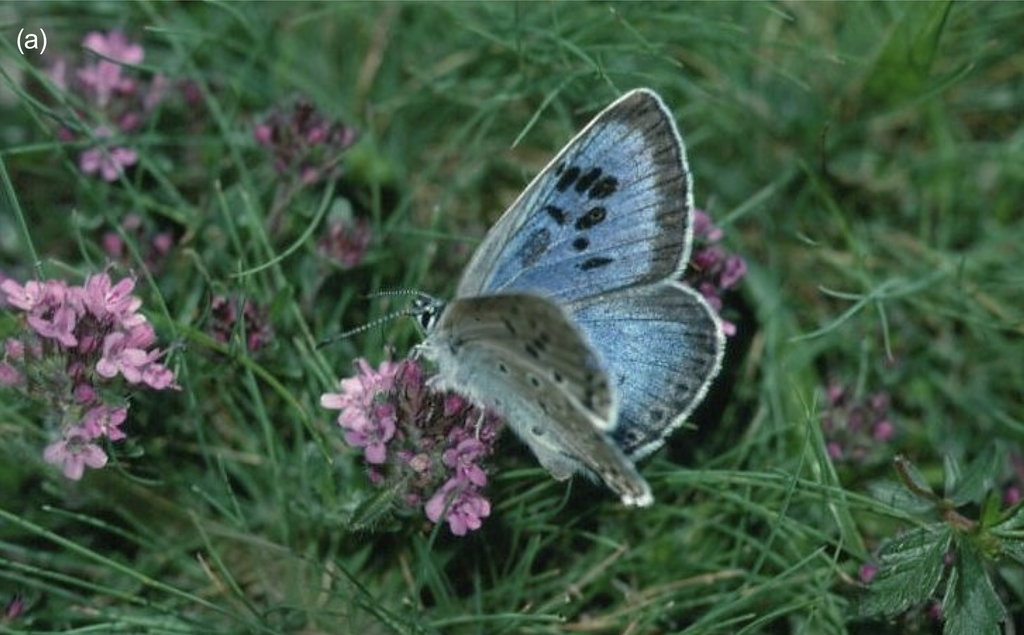 Figure 1. The Large Blue on its last British site, Dartmoor, where variation in natality and survival throughout every stage of its life cycle were measured annually in 1972–78. (a) Adult on Wild Thyme; the Dartmoor phenotype was small with large black wing markings. © Jeremy Thomas.
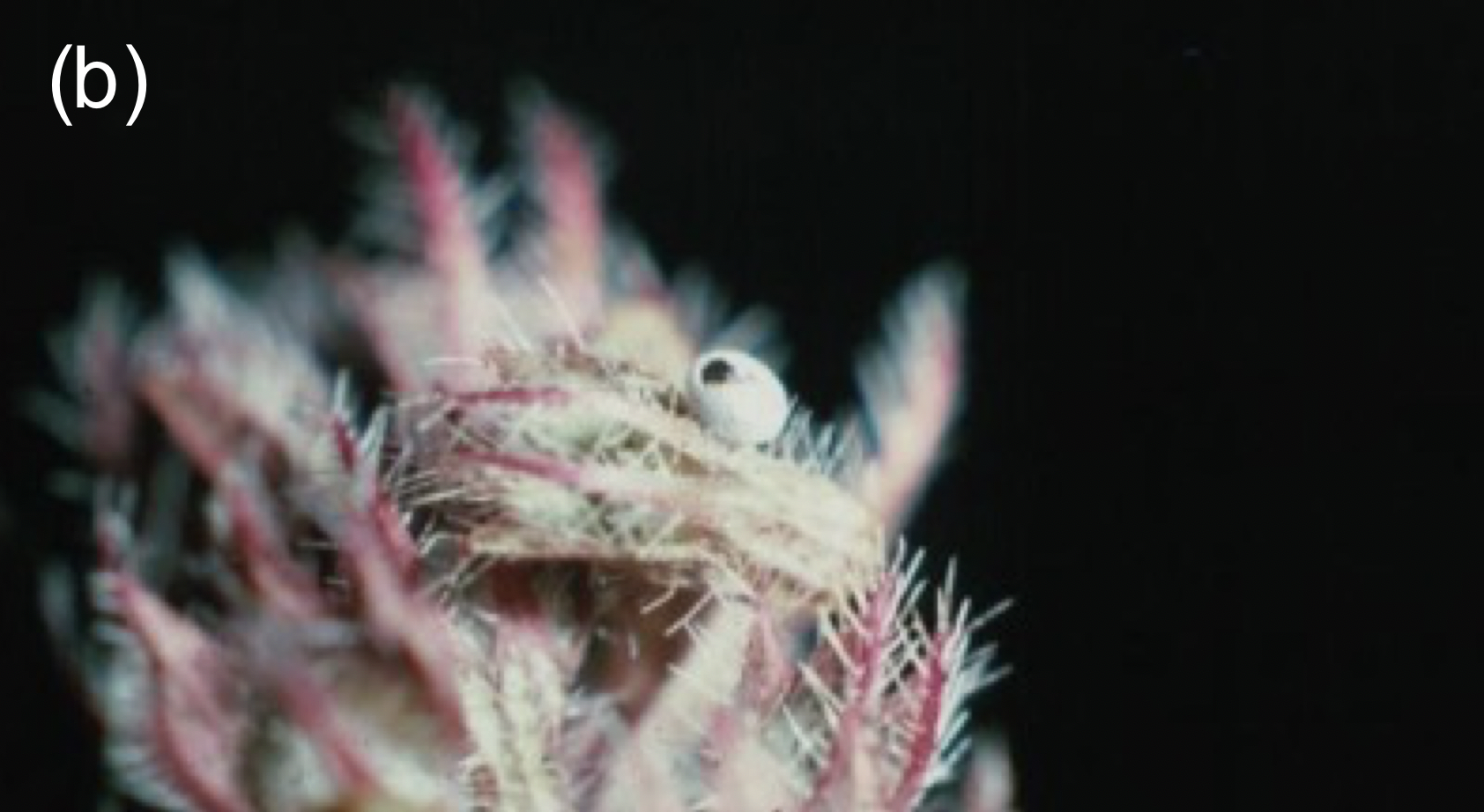 Figure 1(b) An egg killed by the parasitoid Trichogramma evanescens; up to 20 wasps emerge through an exit hole in the pin head sized eggshell. © Jeremy Thomas.
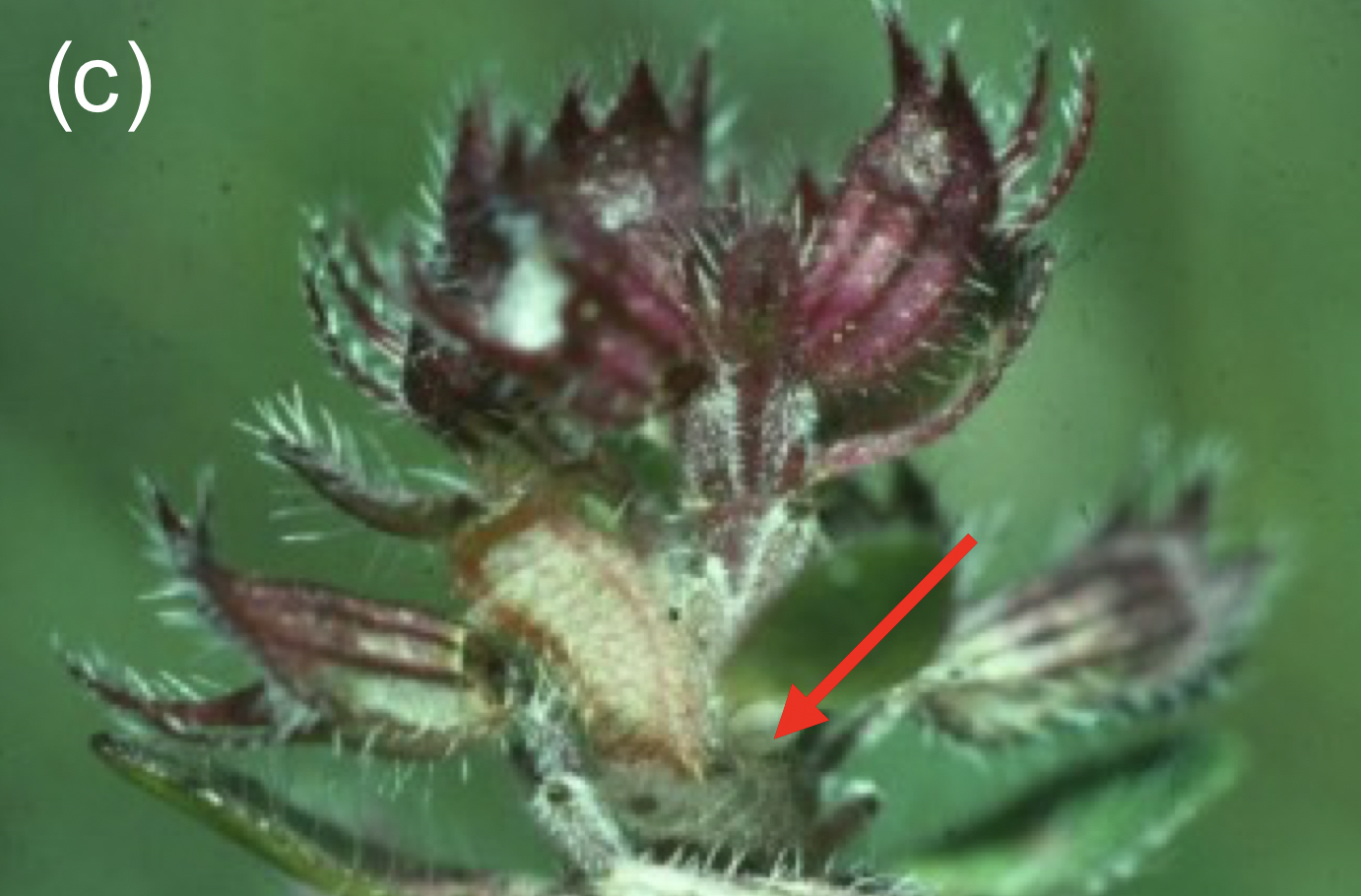 Figure 1. (c) Larva whose survival was followed from egg (red arrow) to final instar while feeding on Thyme flowers and seed. © Jeremy Thomas.
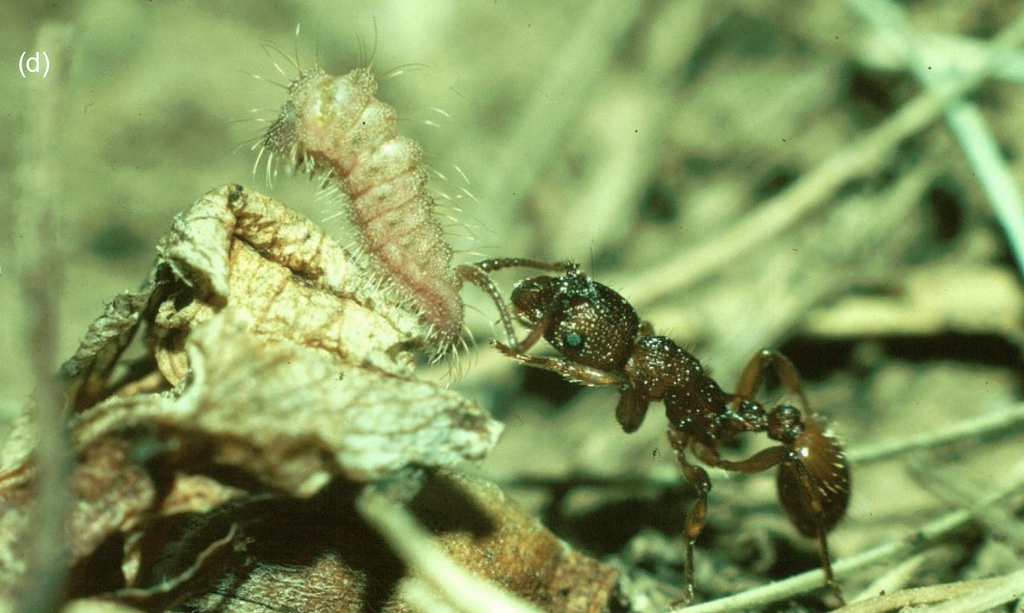 Figure 1.(d) Adoption by the ant Myrmica sabuleti on a Viola leaf shrivelled by extreme drought, July 1976. © Jeremy Thomas.
Figure 1. The Large Blue on its last British site, Dartmoor, where variation in natality and survival throughout every stage of its life cycle were measured annually in 1972–78.
(a) Adult on Wild Thyme; the Dartmoor phenotype was small with large black wing markings.
(b) An egg killed by the parasitoid Trichogramma evanescens; up to 20 wasps emerge through an exit hole in the pin head sized eggshell.
(c) Larva whose survival was followed from egg (red arrow) to final instar while feeding on Thyme flowers and seed.
(d) Adoption by the ant Myrmica sabuleti on a Viola leaf shrivelled by extreme drought, July 1976. © Jeremy Thomas.
But, sadly, the knowledge came too late, first to present a water-tight case to executive conservationists to alter the management of nature reserves in order to reverse the disappearance of M. sabuleti from former sites, then further lags between raising resources and for restored or extended UK sites to regain adequate densities of host ant to support a Large Blue population. The unprecedented twin droughts of 1975 and 1976 proved a deathblow to the final colony, which entered an inexorable downward spiral where inverse density-dependent and stochastic factors drove our native Large Blue (Fig. 1a) to extinction in 1979 (Thomas, 1980).
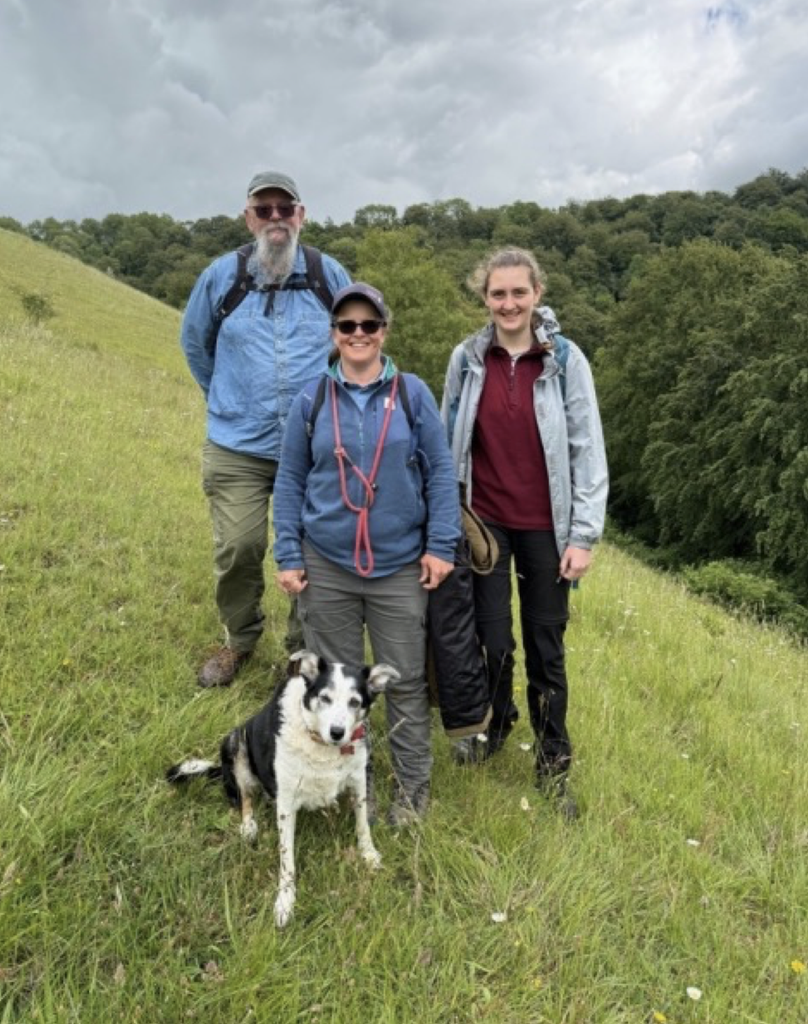 Figure 2. The RES conservation team of David Simcox, Sarah Meredith and Sophie
Mowbray monitoring a Large Blue site in the Cotswolds, recently colonised from
Daneway Banks. © Paul Hackman.
Fifty years on, with RES colleagues David Simcox, Sarah Meredith and Sophie Mowbray (Fig. 2), I am still studying the biology of this globally endangered species and applying results to its conservation in changing environments following its re-introduction from Öland, Sweden in 1983–1992. In fact, the research began four years earlier, in 1972, when former RES President Jack Dempster persuaded me to interrupt a PhD on Black and Brown Hairstreak butterflies to study the population ecology of the Large Blue (Smithers, 2022). By then it was clear that a century of targeted conservation measures– identifying and safeguarding remaining sites, deterring butterfly collectors, and so on – had had little impact on its long-term decline, and that more must be understood of its ecological requirements for any chance of success.
Early research confirmed that the decline of this iconic lycaenid was not attributable to butterfly collectors, the main focus of conservation in the 19th–mid 20th centuries, a conclusion already reached by G.M. Spooner (1963), chair of the Joint Committee for the Conservation of the Large Blue Butterfly. It was indeed an ecological problem, attributable to changing agricultural practices throughout the 20th century, in which grazing of unfertilised hillsides was progressively abandoned and the butterfly’s specific niche – or rather that of M. sabuleti – had effectively disappeared from all but one of its hundred plus former sites (Thomas, 1980). The story of its reintroduction and subsequent establishment across carefully restored grasslands in Devonshire (now alas defunct), Somerset, Gloucestershire and most recently Wiltshire is already well known (Thomas et al., 2019), not least through accounts in Antenna of RES’s superb Daneway Banks nature reserve, purchased in partnership with the Gloucestershire Wildlife Trust in 2016 (Thomas, 2017; Thomas et al., 2019b).
It is flying there in good numbers as I write, to the delight of numerous visitors. Instead, I was asked to focus on the underpinning scientific research that enables us to prescribe good practice in conservation.
Population dynamics
My initial study involved living for six months of each year on the last UK site (for security named X), on the edge of Dartmoor. There, I compiled detailed annual lifetables of survival, starting from 300–400 newly laid eggs on marked plants that were checked daily until adoption by ants. Every cause of mortality was identified as far as possible (Figs 1b–d). All Myrmica nests within foraging range were located, and an emergence trap erected over each the following year, from which emerging adults were marked and released daily. The absolute number of adults on site was also estimated, from which I could measure variation in longevity, natality, dispersal and much else. The upshot was detailed 6-year life tables of population dynamics (Fig. 3a), in which 18 factors that caused mortality or influenced egg-laying were identified and quantified. Sensitivity analysis suggested that only seven of them were severe and variable, allowing the other eleven to be combined as a constant in models; for example, egg parasitism by Trichogramma (Fig. 1b) killed just 1% of the population and had no influence on population trends. The other seven parameters were included individually in a simple mechanistic model to explore the butterfly’s population dynamics under different scenarios of habitat and weather (Thomas et al., 2009, 2025).
An oft-repeated caution of my co-compiler, the Furzebrook biometrician Ralph Clarke, was that “all models are wrong, but some models are useful”. Ours proved useful. It highlighted the need for high densities of the ant Myrmica sabuleti to be present on sites, since larval survival was ~15 times higher (our latest data) in its nests than with the four other Myrmica species that foraged beneath Thyme on former sites, and which adopted the caterpillars with equal alacrity.
 Figure 3. Population models of Large Blue in theory and in practice, from Thomas et al., 2009, 2025. (a) Life-cycle of the stages measured and modelled ©Richard Lewington. (b) Growth curve predictions of populations with different Myrmica host species. Start: 1,000 eggs (~40 adults) on a 2.5 ha site with 100% Myrmica @ 2.3 nests m-2, mean worker weight 1.8 mg, and mean historical frequency of weather extremes; = extinction. (c) Updated comparison of model’s predictions of egg numbers (red) on Green Down, Somerset with observed numbers recorded annually (blue).
Fig. 3b shows model runs that explore three scenarios: 100% co existence been caterpillars on Thyme and M. sabuleti across sites; or a mix of 66% of M. sabuleti and other Myrmica species (typically M. scabrinodis); or where all caterpillars are adopted into the nests of other Myrmica. In the last case, the population crashes to extinction after two generations; in the first, there is rapid growth until density dependent mortalities impose a ceiling (the site Carrying Capacity, K) due to overcrowding in M. sabuleti nests; in the mixed scenario, the intrinsic growth-rate (λ) flatlines at 1.
Our model provided the rationale for the restoration of suitable, indeed optimum, habitat for the Large Blue on former and other sites from which its host ant had disappeared, unappreciated and unrecognised. A second model, based on M. sabuleti niche measurements, indicated that adequate (>66%) densities developed only in swards less than 1.4 cm tall, which possessed soil warm enough for the crucial autumn and spring periods of M. sabuleti brood-raising (30 years later, due to climate warming, the threshold had shifted to 2.1 cm tall) (Thomas et al., 2009).
One joy of such research is the opportunity, with site managers, to test model predictions by manipulating whole populations and later landscapes – in the wild. Figure 3c shows the longest running example for the Large Blue, on the Somerset Wildlife Trust’s Green Down. In the 1970s, I found fewer than 30% coexistence between M. sabuleti and Thyme, thus the site had zero Carrying Capacity for Large Blue (grey lines); by the 1990s, thanks to bespoke grazing, this had risen to >90% overlap, with an estimated K-value approaching 150,000 Large Blue eggs. David Simcox and I then introduced Large Blue larvae (expertly reared by David) in 1992, and were able to compare their predicted population dynamics from the model for the next 33 generations with the actual egg numbers estimated each year (Fig. 3c); not only was there a surprisingly close match, but the population stabilised around the theoretical site carrying capacity (Thomas et al. 2009, 2025).
Metapopulations, dispersal, plasticity and climate change
As David, Sarah and I sought to establish further colonies of Large Blue in former English landscapes, we were ever conscious that the native extinction in 1979 occurred because the last colony was too small, by definition isolated, and inhabited an intrinsically sub-optimal grassland that was highly prone to drought. The aim was to encourage meta-populations across landscapes where, between or within them, sites provided heterogeneity of suitable habitat, with some parts optimal in hot, dry years, others in cooler ones. In addition, it became clear from recent research, that the Carrying Capacity – i.e., density of butterfly supported per m2 of grassland– differed by more than a hundred-fold between the poorest (but just suitable) habitats, e.g., site X, and the most productive ones. Unsurprisingly, the latter supported the highest densities of M. sabuleti colonies with much larger workers than the former, even when in peak condition. Today, the greatest numbers occupy sites where Marjoram rather than Thyme is the main initial foodplant, resembling habitats under warmer climates in Europe (Thomas et al., 2025). This represents important knowledge for prioritising conservation efforts and for mitigating impacts of future climate change.
A key requirement, in securing meta-populations, is not only to establish robust ‘mainland’ colonies within landscapes, but to understand the likelihood of recolonisation following local extinction. Simcox et al. (2024) measured the time taken to colonise 43 neighbouring and more distant sites across landscapes in Devon, Somerset and Gloucestershire. Although, as expected, the original phenotype introduced from Sweden was moderately sedentary, taking more than a year on average to colonise virgin habitat more than 131 m from a source, after 13 generations of stepping-stone spread by vagile individuals across restored landscapes, powerful selection has roughly doubled average dispersal rates, to 258 m per year. This shift in expanding habitats was expected, having previously been recorded in eleven other butterflies, but is nonetheless helpful in prioritising which sites will benefit most from bespoke grassland management. Future research will build upon various responses to mitigate climate change, and study further examples of plasticity, such as advancing butterfly emergence dates and phenological changes in their larval resources. Already, much groundwork has been achieved thanks to Natural England’s Species Recovery R&D grants awarded to RES, Simcox and Meredith in 2022–2025.
Adaptations of Large Blues to exploit ants
The above paved the way for the successful restoration of the Large Blue to Britain. A next step was to understand how the butterfly was adapted to infiltrate and exploit M. sabuleti societies. For this I studied all five continental species of Phengaris, primarily with my Furzebrook colleague, Myrmica expert Graham Elmes. By the millennium, this expanded to two large EU Framework awards (MacMan, CLIMIT), co-led with UFZ Germany’s Joseph Settele, which at its peak funded about a hundred PhDs, postdocs and tenured researchers at eleven universities or institutes in seven European nations – a far cry from my time as the sole researcher on the genus in the 1970s! Graham and I soon established that each Maculinea species was host-specific to a single, and different, species of Myrmica (Thomas et al., 1989). In this we were lucky in sampling across western Europe. It later transpired that some species show host shifts across their wider ranges, although the large majority are adapted regionally to a single Myrmica species (Tartally et al., 2019).
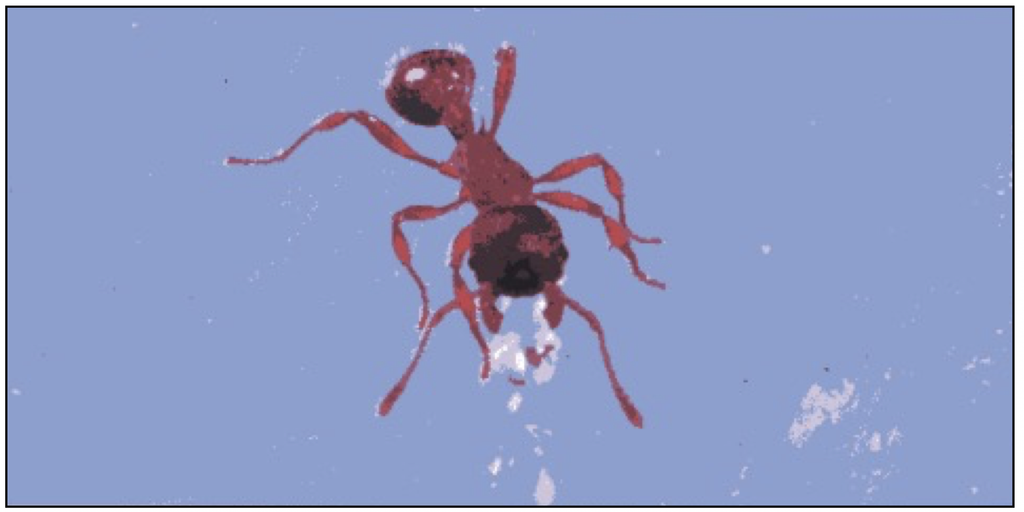
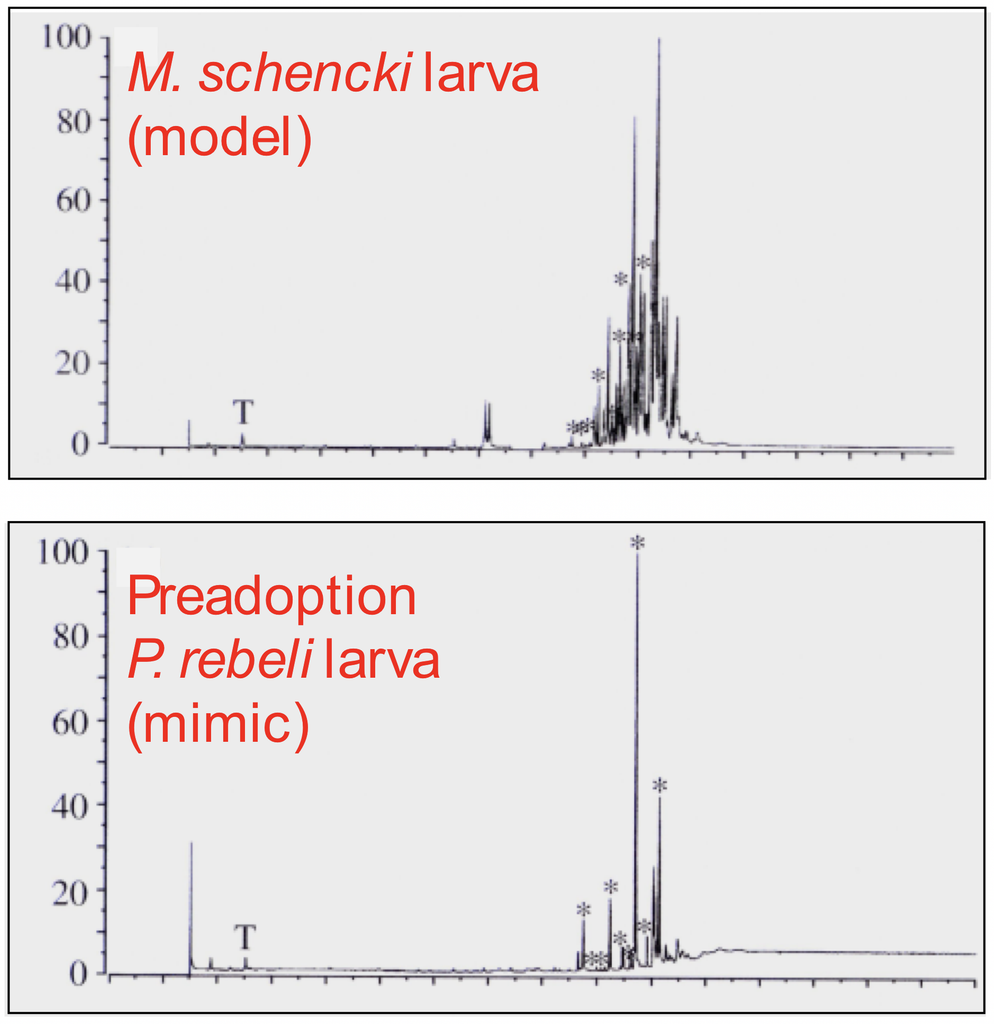 Figure 4. The final instar larva of Phengaris rebeli secretes a cocktail of hydrocarbons that closely mimic the recognition allomones of its host Myrmica schencki. Dummies painted with extracts or a synthesised mix of these hydrocarbons are rapidly carried by M. schencki to their brood chambers. From Akino et al., 1999; Thomas et al., 2013.
A decade later we were fortunate to host a brilliant young Japanese chemist, Toshiharu Akino, who not only showed that final instar larvae of the Mountain Large Blue, Phengaris rebeli, secrete a cocktail of hydrocarbons that closely mimics the recognition allomones of its host, Myrmica schencki, but that glass dummies smeared with larval extracts or a synthesised mix were immediately carried by workers and placed in their brood chambers (Fig. 4). Although the cuckoo species P. rebeli and Alcon Blue P. alcon are more closely integrated as larvae with their host’s society than are their predacious congeners, it is clear that the same chemical mimicry is employed across the genus. A second adaptation was explored by Francesca Barbero, my shared PhD student from Turin. I had long noticed that, in some respects, captive Large Blue larvae seemed to be treated like adult queen ants by the workers surrounding them.
Through elimination, I suspected that acoustical mimicry might be involved, since we could rule out queen allomones. However, to explore this idea became affordable only in the present century, thanks to cheap MP3 players. My Furzebrook colleague, Karsten Schönrogge, and an electrician cleverly managed to adapt its tiny microphone so that sounds and acoustical vibrations made in captive nests by worker and queen ants, and by P. rebeli larvae and pupae, could be recorded and played back under undisturbed, benign conditions, quite unlike the extreme stress of most previous ant acoustic studies. It was good fun. In a series of meticulous experiments, Francesca showed that Myrmica queens made distinctly different sounds from their workers that elicited protective behaviours when played back to them, a first in ant biology. Next, although the organs used were different, both the larvae and especially pupae of P. rebeli generated ‘songs’ that were identical in three attributes to their host-ant queens, and which again elicited the same royal deference when played back to workers (Barbero et al., 2009). She and colleagues later showed that all Large Blue species generated the same acoustics, which were also the same across different Myrmica species. We concluded that whereas chemical mimicry permits the socially parasitic caterpillar to infiltrate a specific ant society, acoustical mimicry enables it to elevate its social status within its host ant colony to levels approaching the supreme status of a queen.
A third strand of research that gave me much pleasure was to study the specialised parasitoids of Large Blue larvae and pupae. I discovered them when rearing wild pupae of four species, excavated from Myrmica nests in France during the 1980s. They belonged to two genera, Neotypus and Ichneumon, and are likely to be species-specific, although some are near-identical morphologically. Hence, each is even more threatened globally than its host, for no more than 20% of studied Large Blue populations support them. With Elmes and Akino, respectively, we studied the female parasitoid’s behaviour and chemical manipulation of ants in the field and lab (Thomas & Elmes, 1993; Thomas et al., 2002).
In France, Graham and I spent happy hours following female I. eumerus as they tapped the ground, searching for Myrmica nests, little more than 2 mm diameter holes in the soil. On finding one, she put her head in the entrance, quickly leaving if it belonged to a non host species of Myrmica. But on recognising the diagnostic hydrocarbons of M. schencki (P. rebeli’s exclusive host in France), she investigated and entered only those nests that contained butterfly larvae, a remarkable feat of detection since the caterpillars, about 20 cm underground, are sufficiently close mimics of M. schencki to trick the workers into treating and feeding them as if nestmates. To gain access, the wasp releases six chemicals that elicit three reactions at the nest entrance – three aldehydes and three alcohols (four of them new to biology), each identified and synthesised by Akino. Two chemicals attract the guard workers to it, two provoke intense aggression, and then two repel the ants, causing them to retreat deep within their nest where they initiate a wave of violent infighting that immobilises up to 80% of the workers (Thomas et al., 2002). This allows the parasitoid, which has a cuticle like a tank, to force its way down to the brood chambers, where it selects the largest Mountain Large Blue larvae for oviposition (Fig. 5a). It emerges from the butterfly’s pupa the following year using the same chemical manipulation to escape unharmed from the ant nest.
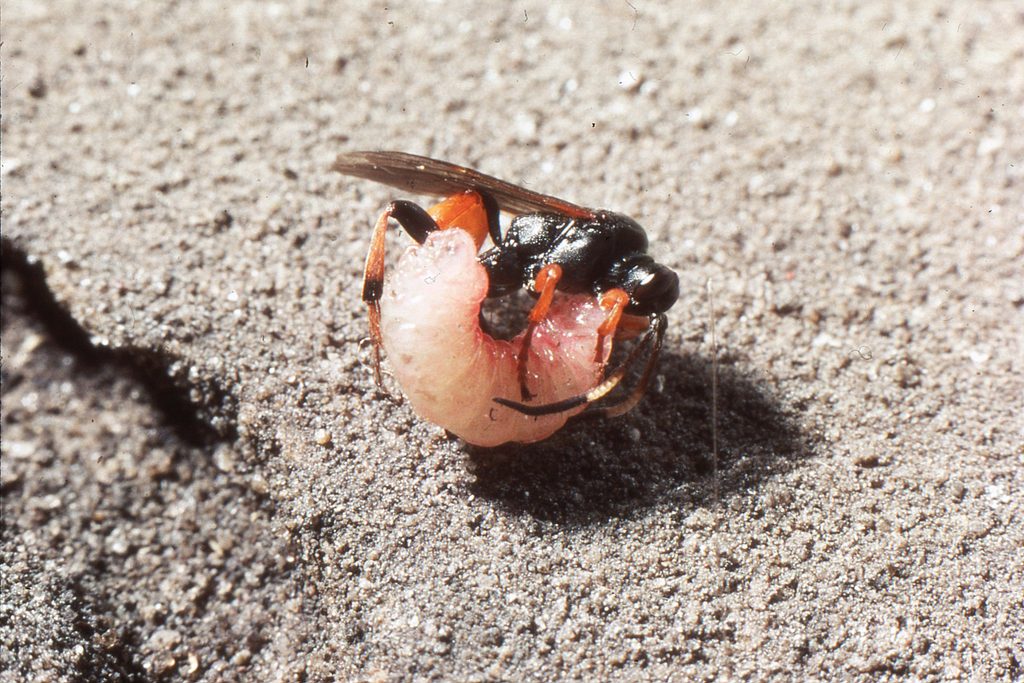
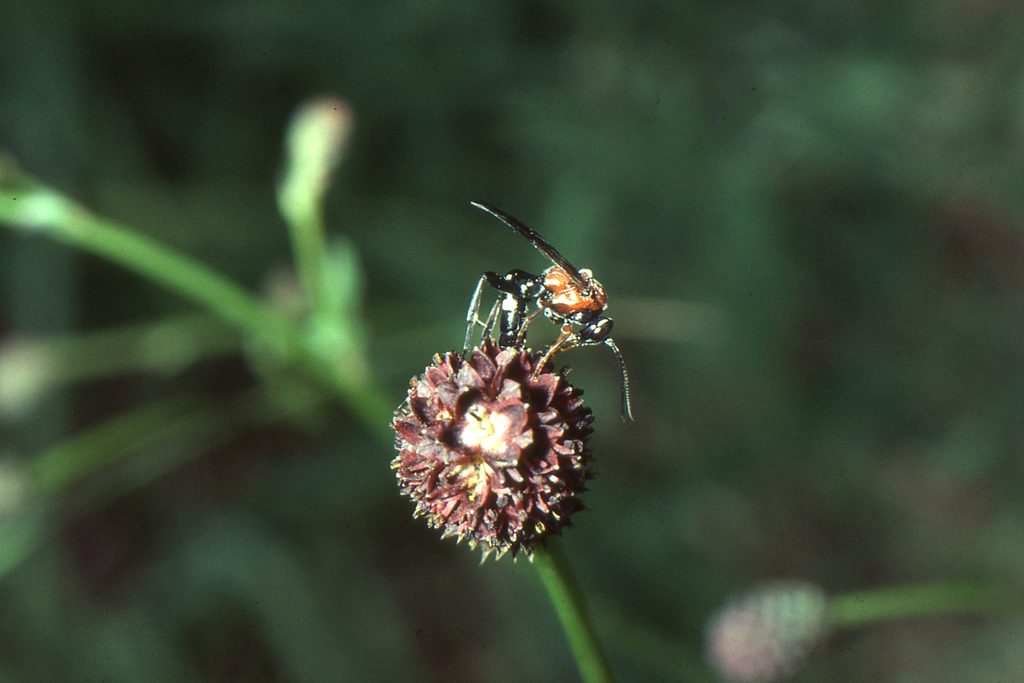 Figure 5. Specialist parasitoids of Phengaris (Maculinea) final instar larvae.
(a) Ichneumon eumerus detects and enters host-ant nests to ‘sting’ its host.
(b) Neotypus coreensis oviposits on P. nausithous while still feeding on Sanguisorba flowerheads; a morphologically similar Neotypus species parasitises P. arion in Europe. © Jeremy Thomas.
In contrast, Neotypus coreensis, which parasitises the Dusky Large Blue, P. nausithous, uses a different strategy. Instead, it oviposits on the penultimate instar while its host is still feeding on the initial foodplant, Sanguisorba officinale (Fig. 5b). However, very similar chemical manipulation is used to escape from the host pupa in its Myrmica nest. I also found a near identical looking species of Neotypus in France that parasitises our own species of Large Blue, P. arion, but have seen it only thrice. I have an unlikely dream that this handsome ichneumonid will be introduced one day into our re established British Large Blue populations, where – at least according to models of I. eumerus (Hochberg et al., 1996) – it is likely to dampen the extremes of butterfly fluctuations rather than threaten a colony’s persistence.
Conclusions
Not all our research on Large Blue butterflies was needed for their conservation, but it raised the international profile of a threatened genus listed by the IUCN, in the 1970s, as one of three priorities for global insect conservation (Thomas & Settele, 2004). It also attracted generous research grants that spilled over into conservation to test ideas. Although the initial 6-year compilation of life-tables was labour intensive, it was essential to pinpoint a key stage in the life cycle responsible for declines. To my knowledge, no previous attempt to conserve a declining butterfly had succeeded: even the celebrated Large Copper at Wicken Fen was boosted annually by the release of scores of captive-bred adults (M.G. Morris, pers. comm.). It is a moot point whether the Large Blue work can be called a success, since the butterfly did go extinct in Britain before re-establishment from Sweden. However, the results identified short-cuts that enabled my early group at Furzebrook to reverse the declines of four other UK butterflies that today are flourishing, yet whose trajectories before the 1980s had suggested national extinction by the year 2000 (Thomas et al., 2011; Thomas, 2016).
More generally, the solution to the Large Blue illustrates a fundamental difference between the conservation of larger vertebrates and that of invertebrates and plants in the UK. The former mostly declined, often to national extinction, due to species-specific persecution by humans, whether to eliminate danger, pests or predators of game and livestock, for sport and trophies, from over-exploitation as food, or for more bizarre reasons such as the slaughter of egrets and grebes to feather ladies’ hats. In these cases, their habitats remained in abundance in the British countryside, and ‘all’ that was needed to restore the Beaver, Wild Boar, Red Kite, Sea Eagle and Great Bustard, and for others such as Pine Marten to recover, was to enforce legislation banning persecution and to release individuals from continental Europe. I write ‘all’ in inverted commas, for this is in no way easier than conserving an insect: the political, legislative, sociological and financial obstacles are formidable. But I argue that insect conservation requires a very different, ecological approach, in which the key constraint(s) determining a species’ population size and dynamics are identified, then rectified (Thomas, 2016). Such declines are nearly always attributable to lost or degraded habitats, and bespoke site management is usually needed to regain suitable conditions.
A bonus of this approach is that the restoration of a missing type of habitat, typically a particular seral stage within grasslands, woodlands, heath or fen, inevitably results in the increase in whole assemblages of other threatened insects and plants whose specialised niches were disappearing due to the same land-use changes (Thomas et al., 2015). It is thus a great pleasure to know that on RES’s own Daneway Banks, and on neighbouring restorations, numerous other rarities have increased or returned, ranging from Rugged Oil Beetle to Fly Orchids (Thomas et al., 2019), and from Pasque Flowers to the elusive Rock-rose Pot Beetle.
Acknowledgements
I thank many co-researchers and colleagues at Furzebrook and beyond, including David Simcox, Sarah Meredith, Graham Elmes, Judith Wardlaw, Ralph Clarke, Karsten Schönrogge, Toshiharu Akino, Jenni Knapp, Francesca Barbero, Luca Casacci, Emilio Balletto, Simona Bonelli, Thomas Hovestadt, Jan van der Made, Michael Woychiewoski, Rudi Malloni, Michael Hochberg, Marcin Sielezniew, Anna Stankiewicz Fiedurek, Josef Settele, and many other members of the MacMan ‘family’, together with Jack Dempster, Ernie Pollard and Malcolm Spooner from my early days. None of the applications to conservation would have been possible without the magnificent land management by numerous rangers of collaborating organisations, including Natural England, the National Trust, J&F Clark Trust, Somerset Wildlife Trust, Gloucestershire Wildlife Trust and Network Rail. Research funding was generously provided over 50 years by many organisations and grants, chief among them Natural England (and former titles), DEFRA/NE Species Recovery Programme, Natural Environment Research Council and the Institute for Terrestrial Ecology (now UKCEH), EU Framework grants MacMan and CLIMIT, the University of Oxford, and The Prince of Wales Charitable Foundation.
References
Akino, T. et al. (1999) Proceedings of the Royal Society of London B 266, 1419–1426.
Barbero, F. et al. (2009) Science 323, 782–785.
Hochberg, M.E. et al. (1996) Philosophical Transactions of the Royal Society of London B 351, 1713–1724.
Morris, M.G. (1976) Antenna 1, 6–8.
Simcox, D.J. et al. (2024) Insect Conservation and Diversity 18, 798-809.
Smithers, P. (2022) Antenna 46, 137–143.
Spooner, G.M. (1963) The Entomologist 96, 199–210.
Tartally, A. et al. (2019) Philosophical Transactions of the Royal Society B 374, 20180202.
Thomas, J.A. (1980) Oryx 15, 243–247.
Thomas, J.A. (2016) Science 353, 216-218.
Thomas, J.A. (2017) Antenna 41, 51–58.
Thomas, J.A. et al. (1989) Oecologia 79, 452 457.
Thomas, J.A. & Elmes, G.W. (1993) Animal Behaviour 45, 593–602.
Thomas, J.A. et al. (2002) Nature 417, 505 506.
Thomas, J.A. & Settele, J. (2004) Nature 432, 283–284.
Thomas, J.A. et al. (2009) Science 325, 80–83.
Thomas, J.A. et al. (2011) Journal of Insect Conservation 15, 241–258.
Thomas, J.A. et al. (2013) Proceedings of the Royal Society B 280, 711–719.
Thomas, J.A. et al. (2015) Biological Journal of the Linnean Society 115, 636-646.
Thomas, J.A. et al. (2019a) British Wildlife 31, 7–14.
Thomas, J.A. et al. (2019b) Antenna 43, 81–85.
Thomas, J.A. et al. (2025) Journal of Applied Ecology 62, 1463–1472.

Thank You for 50 Years
Reaching 50 years is a testament to the enduring value of Antenna and the strength of the RES community. Thank you to everyone who has contributed, subscribed, shared photography, written, illustrated or championed the magazine over the decades, and to you, our Members and Fellows, for continuing to support insect science and communication.
Antenna remains a unique space where science meets storytelling – and we’re excited to share the next chapter with you.
Antenna Team
Editors: Richard Harrington and Dafydd Lewis. Editorial Coordinator: Jennifer Banfield-Zanin (RES). Associate Editors: Jesamine Bartlett, Benjamin Chanda (PATH, Zambia), Jim Hardie, Louise McNamara (Teagasc, Ireland), Sajidha Mohammed (University of Calicut, India), Moses Musonda (Broadway Secondary School, Zambia), Claire Price (Harper Adams University), Stuart Reynolds (University of Bath), Yanet Sepúlveda De La Rosa (University of Sussex)
All rights reserved. Those wishing to reproduce articles must first contact the Royal Entomological Society. Views and opinions expressed by authors are not necessarily those of the Royal Entomological Society.
Are you a RES Member or Fellow?
Log in to your membership account to request a hard copy of future volumes of Antenna, gain access to significant discounts on handbooks and registration to RES events, and many more exclusive benefits.
Not a Member or Fellow?
Help promote our message
Support doesn’t need to be in the form of a monetary donation – share your support by spreading the word.
