
First published: 02 May 2026.
Like humans, bees require a balanced diet to stay healthy. In particular, they need nutrients such as proteins and lipids to grow, reproduce and survive. Because different bee species vary in their biology, they may also differ in their nutritional preferences. Yet, these differences remain poorly understood.
To address this, the PoshBee project studied three managed bee species across 128 agricultural sites in Europe. Researchers collected and analysed the pollen gathered by these bees to understand their nutritional preferences.
The results showed that the buff-tailed bumblebee tends to collect pollen with lower lipid content compared to the Western honeybee and the red mason bee. In contrast, all three species showed similar preferences for protein content.
Image: Bumblebee colonies next to a rapeseed field
Photo Credit: PoshBee_Bumblebee_Colony
The PoshBee project also explored how exposure to pesticides may affect these nutritional preferences. Pesticides are known to harm bees directly, but their indirect effects, such as altering nutritional behaviour, are less clear. The findings revealed that pesticide exposure is correlated to reduced protein and lipid contents in the pollen stores of bumblebees. In mason bees, it led to an increase in protein content, while no clear effect was observed in honeybees.
Overall, the results suggest that different bee species show distinct nutritional preferences, and that pesticide exposure slightly alters such preferences in a species-specific manner, although protein-to-lipid ratios remain unchanged. This highlights that agrochemicals may have insidious impacts by interfering with the ability of bees to meet some of their nutritional preferences, likely affecting their health and resilience.
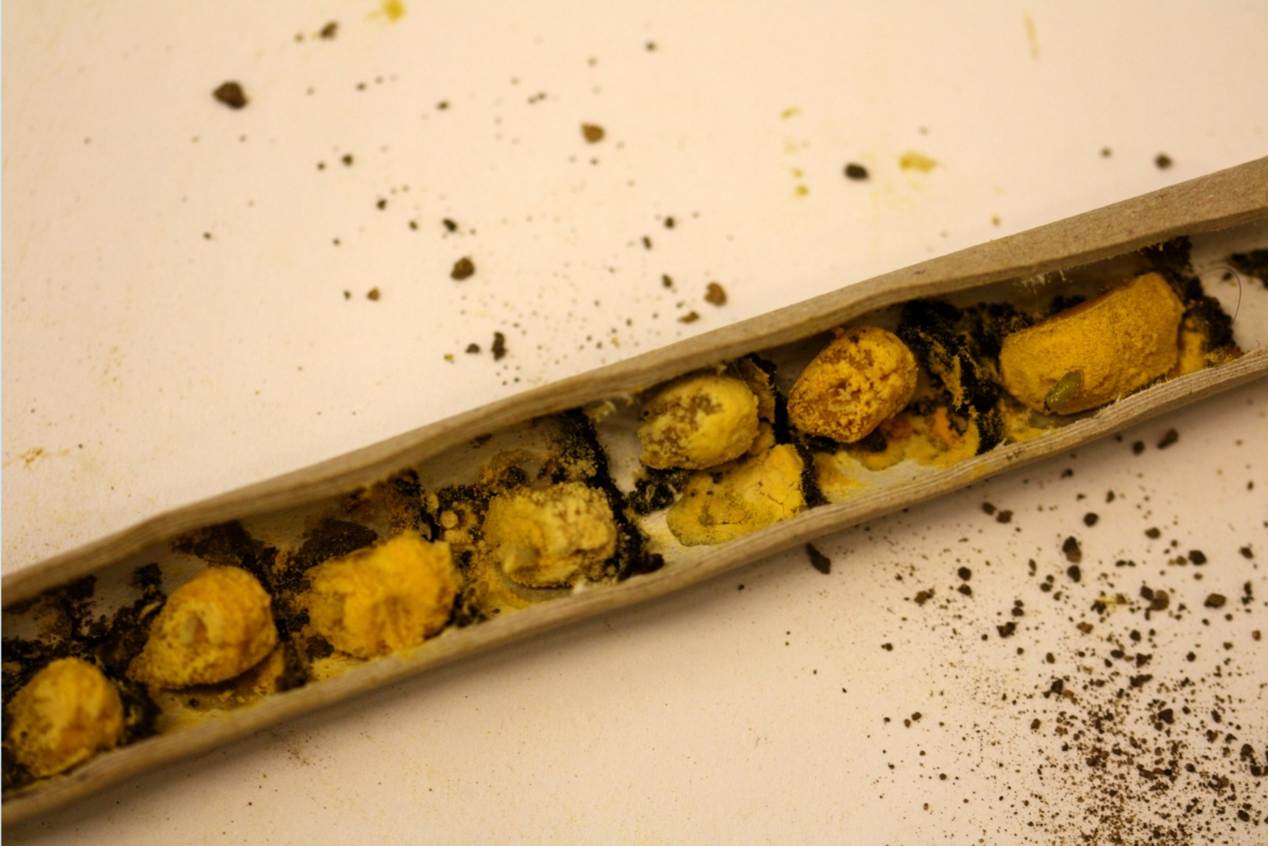 Pollen provisions of mason bees (PoshBee_Osmia_Pollen)
“Even focussing on just three bee species and two macronutrients, we already reveal striking species-specific nutritional profiles. More importantly, we show that the nutritional profile of each species is altered differently under pesticide exposure. Now scale this up to the more than 20,000 bee species worldwide, the full spectrum of macro- and micronutrients, and the plethora of pesticide cocktails present in environments.
The diversity of potential nutritional profiles and responses becomes staggering. There is still so much to find out.”
– Antoine Gekière, corresponding author
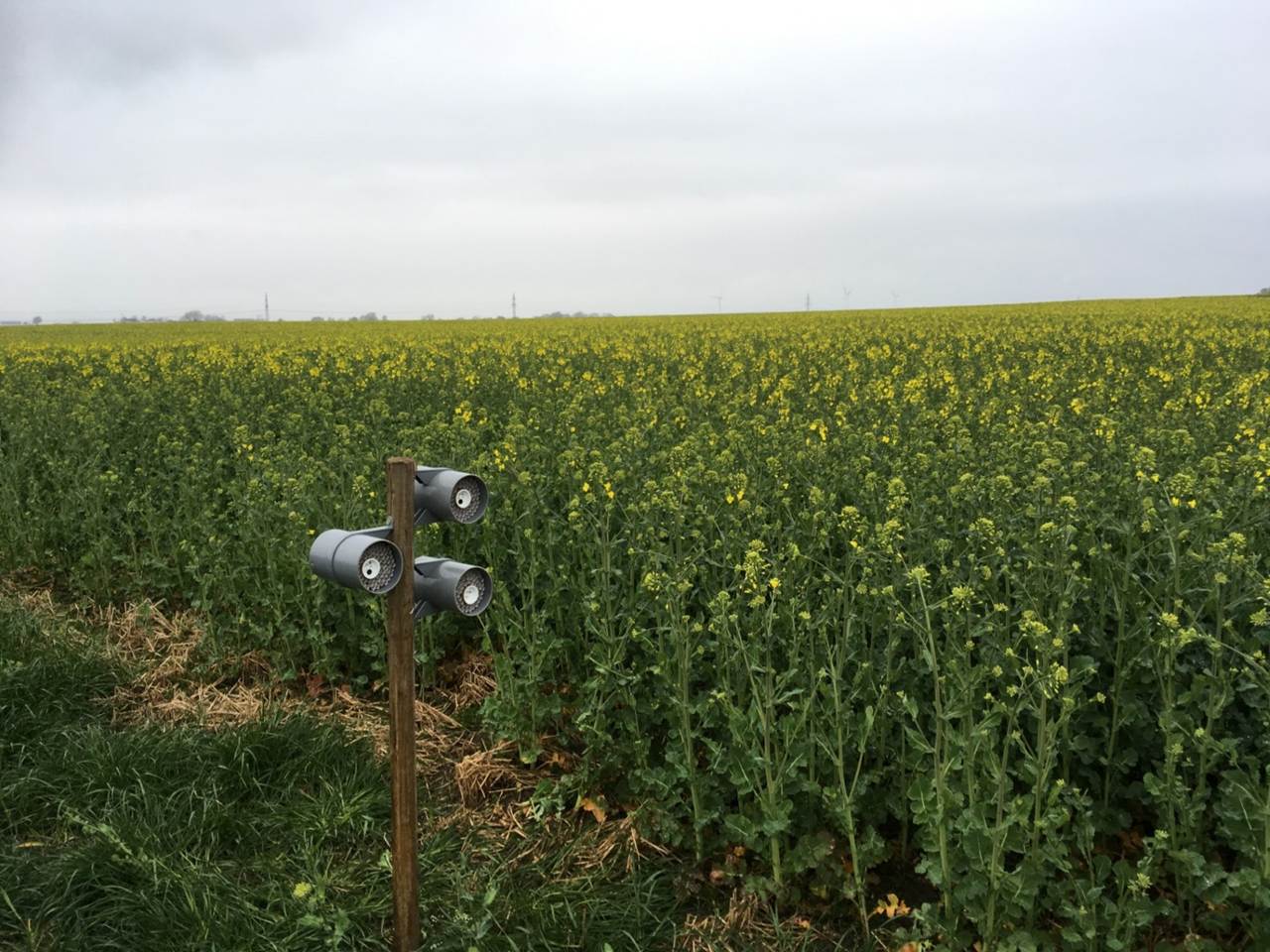 Mason bee trap nests next to a rapeseed field (PoshBee_Osmia_Nest)
“This collaborative study is important for the conservation measures we can propose to stop the decline of European pollinators.
We show that it is not sufficient to provide a good level of diversity and quantity of floral resources to match the needs of different species of pollinators. We also need to reduce pesticide exposure because the pollinators may not mitigate chemical stress by reshaping their nutrition.”
– Denis Michez, author on the paper
Policy Implications:
- Reduce dependence on pesticides and harmful chemicals. Adopt binding reduction targets, implement and advance EFSA Bee Guidance, and implement and advance Integrated Pest Management (IPM).
- Establish and enforce a post-authorisation monitoring programme at the EU level for pesticides and feed the results into the regulatory system.
- Provide appropriate financial incentives and access to synthesised and inclusive, actionable knowledge and tools for the stakeholders involved in the reduction of pesticides.
All photos credit to PoshBee project.

Want to be featured in our Journal Highlights?
Shine a spotlight on your research by submitting your papers to any of our seven journals for the chance to be mentioned on our news pages and social media
