Protecting insect biodiversity doesn’t stop at the edge of a woodland or meadow – it extends all the way to our coastlines.
This July, Dr Jess Stokes FRES, Project Officer of the Royal Entomological Society team joined colleagues from Lancaster Zoo for a beach clean organised by the Marine Conservation Society, bringing together people with a shared passion for protecting wildlife and the natural world.
The event also highlighted the growing collaboration between the Royal Entomological Society, Lancaster Zoo and the Marine Conservation Society, demonstrating how wildlife organisations can work together across disciplines to inspire action and make a difference across all audiences and specialisms.
What do beach cleans have to do with insects?
Plastic pollution, discarded fishing gear, glass, metal and other waste can pose serious threats to marine wildlife through entanglement, ingestion and habitat degradation. Over time, larger items also break down into microplastics, which can enter food webs and impact countless species throughout marine ecosystems.
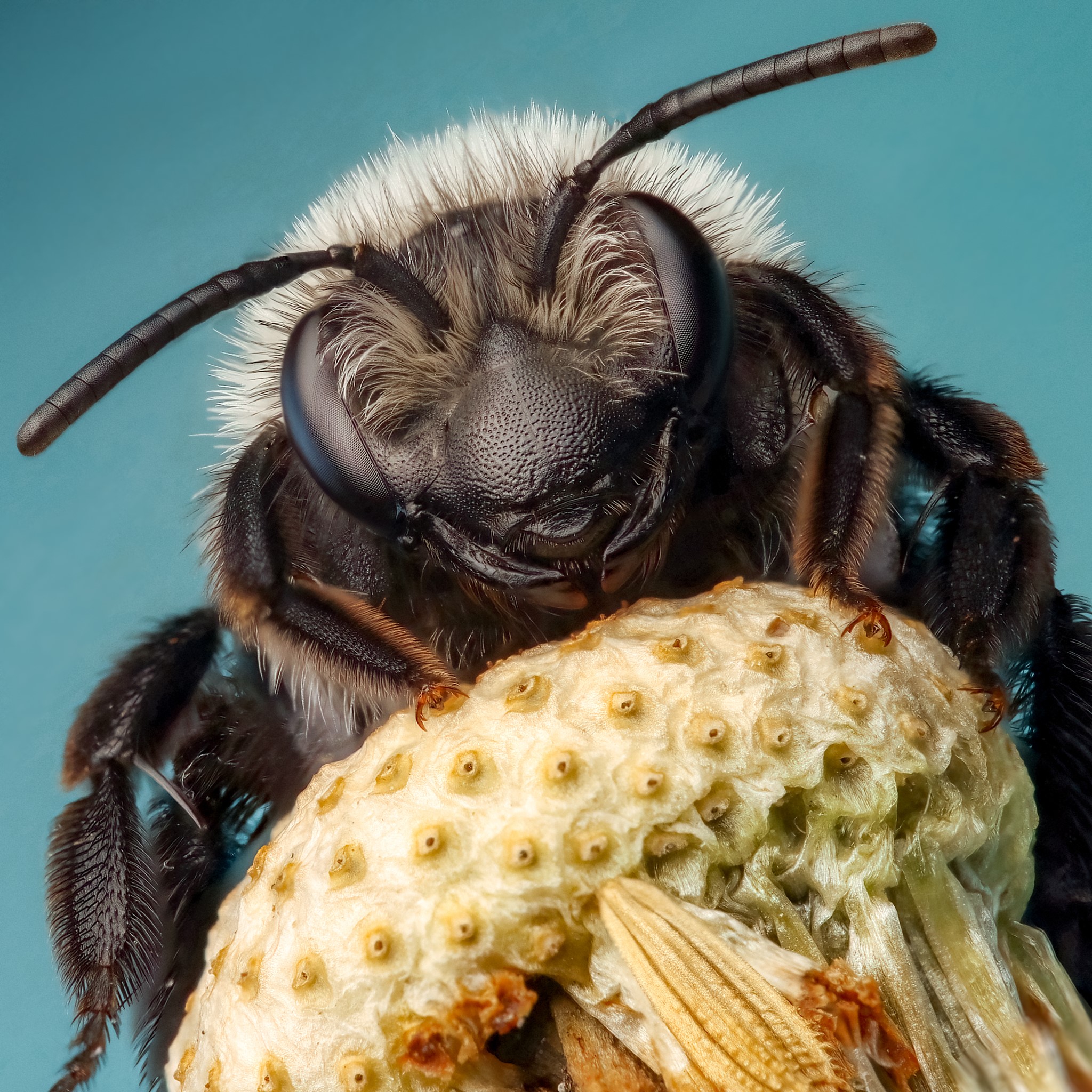 Ashy Mining bee, Andrena cineraria – Many species of mining bee nest in bare sandy ground, making dunes vital breeding habitat.
Photo (c) Rory Lewis
Marine litter doesn’t just affect marine life and seabirds. It can:
- Destroy dune vegetation where insects feed and breed.
- Introduce microplastics and pollutants into coastal food webs.
- Reduce the quality of nesting habitat for ground-nesting bees and wasps.
- Damage habitats that support rare specialist insects.
- Disrupt the wider ecosystems that connect land, freshwater and sea.
Healthy coastlines support an incredible diversity of life, and many insects also depend on these unique environments. Coastal dunes, saltmarshes and estuaries provide important habitats for specialised invertebrates, while clean, functioning marine ecosystems help sustain the wider biodiversity on which all life depends:
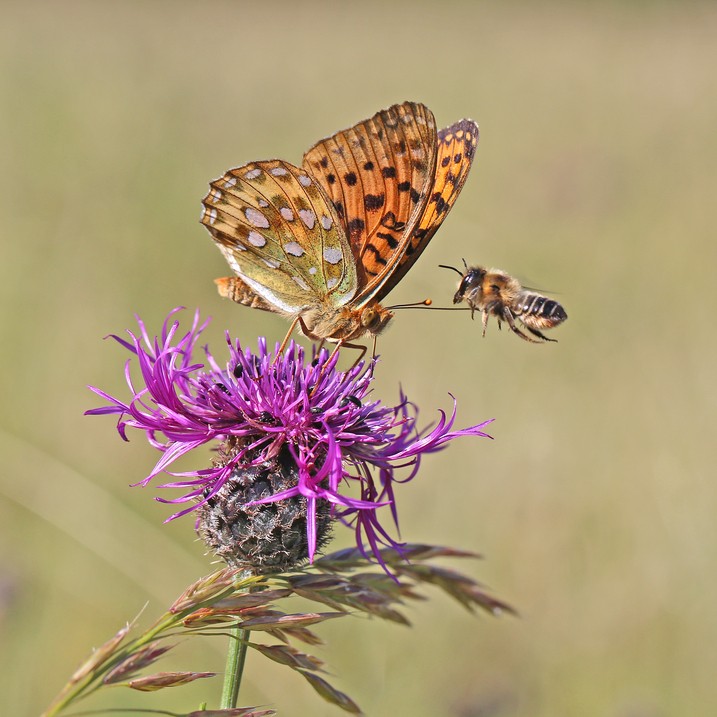 Dark Green Fritillary, Speyeria aglaja (c) Michael Bird
Coastal sand dunes are dynamic habitats that support insects adapted to dry, sandy conditions.
Dune tiger beetles, mining bees, sand wasps and the dark green fritillary are just a few insects that rely on these environments and feed on vegetation growing in dune grasslands.
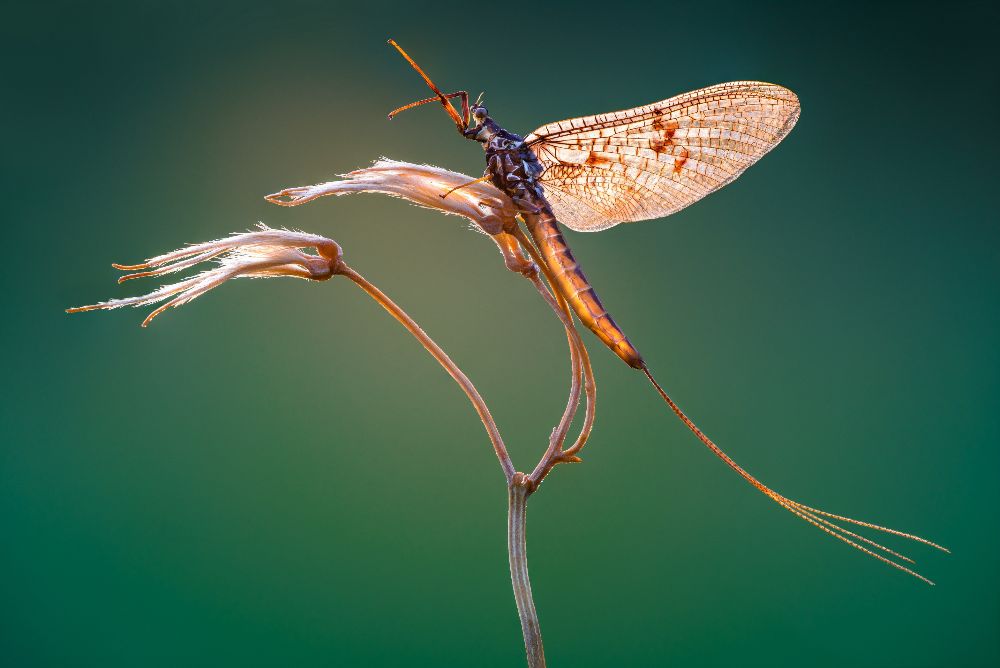 Mayfly (c) Petar Sabol
Saltmarshes support insects that have adapted to salty, tidal environments, such as the sea aster mining bee and sea lavender moths.
The presence of these can be indicators of healthy coastal ecosystems, much like some species of dragonfly and damselfly, soldier fly, caddisflies, mayflies and stoneflies living in estuaries and coastal wetland, linking freshwater and marine environments, creating productive ecosystems which in turn provide food for fish and birds.
By removing litter and caring for your coastline and the environment around it, you’re helping to safeguard the biodiversity that links our oceans, rivers and the wider natural world.
The day was a fantastic opportunity to connect with colleagues outside our usual areas of expertise, share conservation experiences and demonstrate that protecting nature often requires us to look beyond individual species or habitats. Whether conserving insects, restoring rivers or cleaning beaches, the goal is the same: creating healthier environments where wildlife can thrive.
We’re incredibly grateful to Lancaster Zoo for inviting us to take part and look forward to future collaborations with both the Zoo and the Marine Conservation Society. By working together across wildlife, environmental and scientific organisations, we can inspire more people to care for the natural world and take positive action for biodiversity.
Follow us on social media for updates and share your insect news and events using @royentsoc
